
Flexible meals · Familiar ingredients · Practical preparation
7 Day Anti Inflammatory Meal Plan: Simple Meals and Shopping Tips
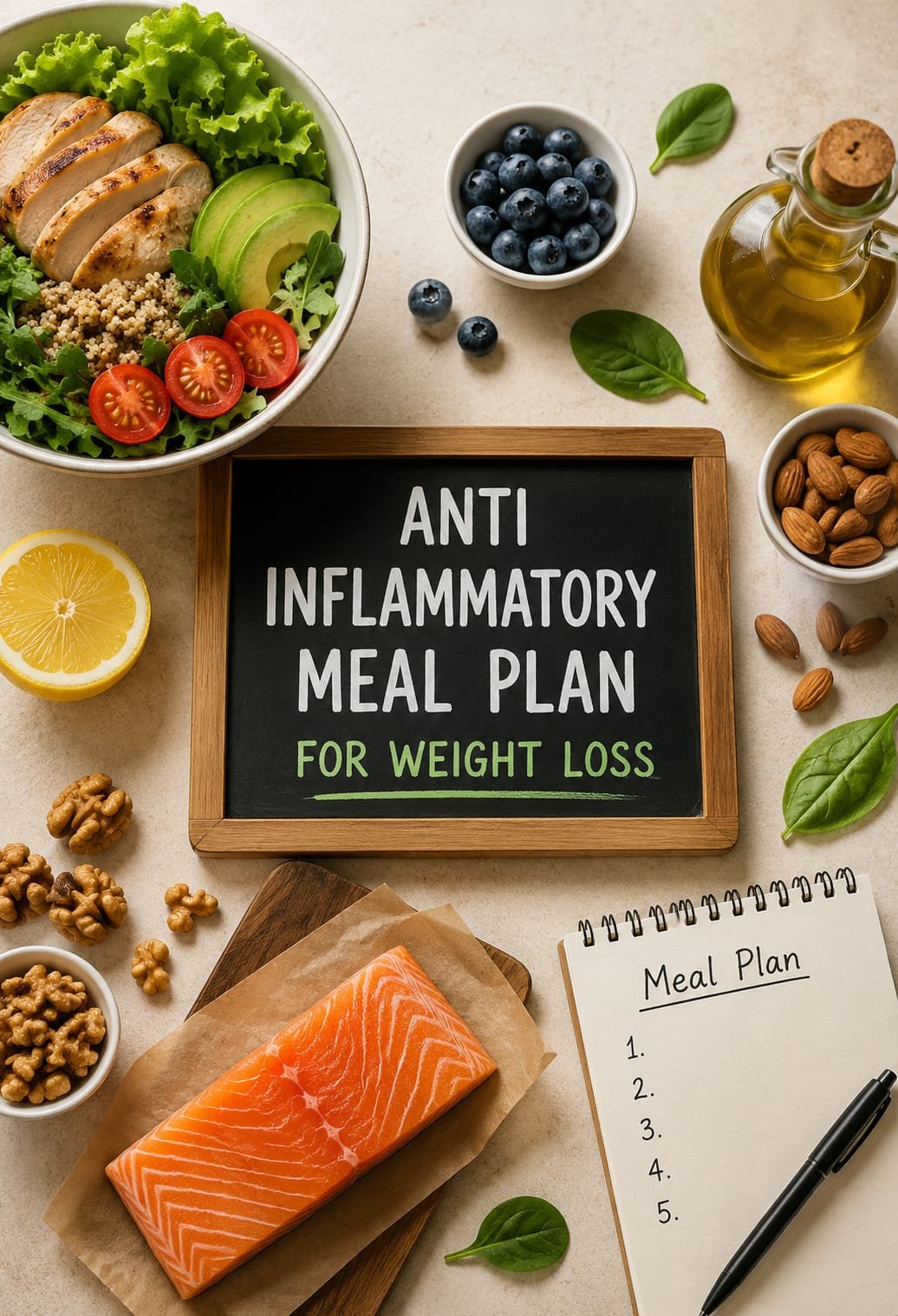
This 7 day anti inflammatory meal plan uses a Mediterranean-inspired approach to organise meals: vegetables, fruit, grains, beans and other protein foods.
Use it as a planning example, not a promise to treat inflammation, remove bloating or cause weight loss within a week.
Article contents
Understand the term before following the plan
Johns Hopkins Medicine explains that there is no single anti-inflammatory diet. It emphasises overall eating patterns, including Mediterranean-style choices, rather than one food as a solution.
This article applies that general approach to meal organisation. The menu itself has not been tested for effects on inflammatory markers, symptoms or weight.
Tiredness, bloating or weight changes do not establish that you have chronic inflammation. Persistent symptoms deserve assessment rather than a diagnosis from a food checklist.
Do not stop prescribed treatment because you begin this menu. “Anti-inflammatory” is not a promise to cure a condition.
Use familiar foods and flexible substitutions
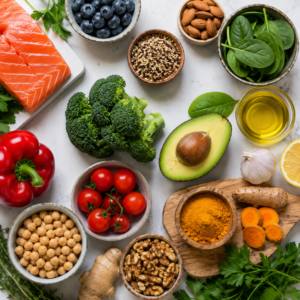
Vegetables and fruit
Choose options you enjoy. Frozen produce can reduce preparation effort; canned options can also be useful when suitable for your needs.
Protein foods
The menu uses beans, lentils, tofu, fish, eggs and poultry. Choose appropriate alternatives for allergies or dietary preferences.
Grains and staples
Use oats, rice, bread, potatoes or another familiar staple. Adjust the meal rather than removing all carbohydrates.
Fats and flavour
Olive oil, nuts and seeds can fit where tolerated. Amounts still matter. Spices supply flavour; they are not prescribed treatments here.
Do not assume every packaged food is unsuitable. Read ingredients and nutrition information instead of using “processed” as a blanket judgement.
Your flexible 7 day anti inflammatory meal plan
Each day offers examples, not required servings. Snacks are optional. Add or adjust food according to your needs rather than treating this menu as a calorie restriction.
Day 1: Start with simple combinations
- Breakfast: oats with milk or a suitable alternative and berries.
- Lunch: lentil salad with vegetables and bread.
- Dinner: baked salmon or tofu with potatoes and broccoli.
- Optional snack: apple and a suitable portion of nuts.
Day 2: Use ingredients across meals
- Breakfast: eggs or tofu with toast and tomato.
- Lunch: chickpea and vegetable rice bowl.
- Dinner: chicken or bean stew with vegetables and a grain.
- Optional snack: plain yogurt or a suitable alternative with fruit.
Day 3: Plan a low-preparation day
- Breakfast: plain yogurt, oats and chopped fruit.
- Lunch: safely stored leftover stew with bread.
- Dinner: lentil and vegetable soup with an appropriate accompaniment.
- Optional snack: carrots and hummus.
Day 4: Make a meal you can pack
- Breakfast: overnight oats prepared and refrigerated safely.
- Lunch: chicken, tofu or bean wrap with vegetables.
- Dinner: fish or tofu with rice and mixed vegetables.
- Optional snack: fruit you enjoy.
Day 5: Keep a backup available
- Breakfast: cottage cheese or a suitable alternative with fruit and toast.
- Lunch: bean salad with potatoes or bread.
- Dinner: vegetable-and-bean pasta with olive oil and herbs.
- Optional snack: cucumber with hummus.
Day 6: Adapt a familiar recipe
- Breakfast: vegetable omelet or tofu scramble with toast.
- Lunch: lentil curry with rice or chapati and vegetables.
- Dinner: chicken or tofu tray bake with potatoes and vegetables.
- Optional snack: yogurt and berries.
Day 7: Repeat what worked
- Breakfast: repeat your easiest breakfast from the week.
- Lunch: a vegetable wrap with your preferred protein food.
- Dinner: repeat a meal you enjoyed or use safely stored leftovers.
- Optional snack: fruit, vegetables or another suitable option.
For more preparation examples, explore our breakfast ideas and snack guide . Neither is a personalised therapeutic diet.
Prepare for work and home without overcomplicating it
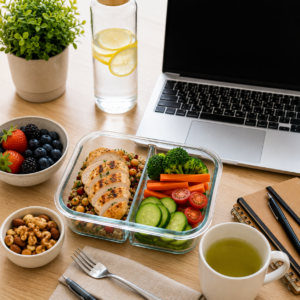
For a working day
Choose a meal that travels well and check whether refrigeration or reheating is available. Pack accompaniments separately when useful. Keep perishable food at safe temperatures.
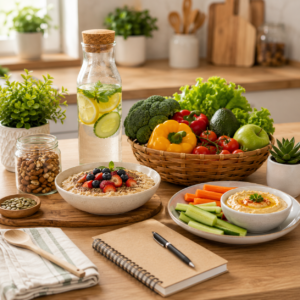
For home preparation
Prepare a few components rather than seven days of complete meals. Cook one dish, arrange tomorrow’s ingredients and freeze portions when appropriate. Follow food-specific storage guidance and date containers.
A seven-day menu does not mean all cooked food can safely remain in the fridge for seven days. Rice, meat, fish and other foods need appropriate handling.
For broader planning, read our beginner habit guide .
Build a shopping list from the meals you choose
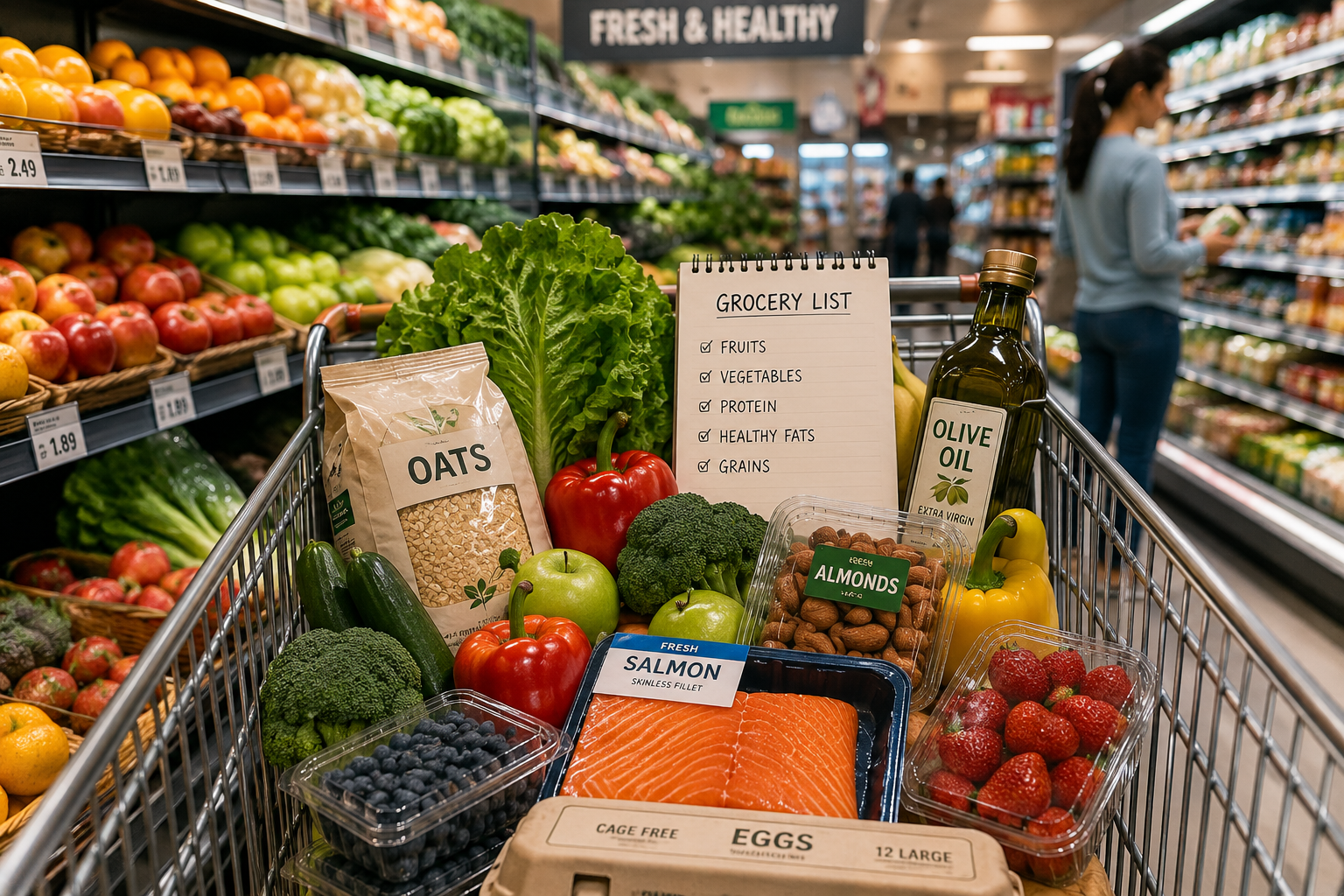
- Protein foods: choose from beans, lentils, tofu, eggs, fish or poultry.
- Staples: oats, rice, bread, pasta or potatoes.
- Produce: vegetables and fruit used in your selected meals.
- Extras: suitable yogurt, olive oil, herbs or seasonings.
- Backup: ingredients for one easy meal.
Check your cupboard first. Buy quantities for your household and the meals you intend to make, rather than every ingredient mentioned in the article.
You can use familiar equivalents: courgette is also called zucchini, and chickpeas are also called garbanzo beans.
Use routines as planning tools

In the morning, check what your day requires: breakfast ingredients, a packed lunch or access to a suitable drink. Choose an order that fits work, family life and individual advice.
For drink preparation ideas, visit our morning drinks guide . No drink is presented here as an inflammation cure.

In the evening, identify one preparation task for tomorrow. Avoid turning the plan into a long list of rules about when you must eat, walk or sleep.
Review after the week
- Which meal was easiest to prepare?
- Which ingredients went unused?
- What cost or storage problem needs adjusting?
- Which two meals would you repeat next week?
These questions assess practicality. They do not measure inflammation or prove a medical improvement.
7 day anti inflammatory meal plan: common questions
Will this plan reduce inflammation in seven days?
This menu has not been tested for that outcome. It cannot promise a change in symptoms or inflammatory markers within a week.
Will I lose weight?
The plan does not prescribe calories or portions and cannot predict weight loss. Your individual needs and overall eating pattern matter.
Can I make it vegetarian?
Beans, lentils and tofu provide alternatives in the examples. Adapt the whole meal and seek individual advice where needed.
Do I need to remove gluten or dairy?
This general plan does not require blanket exclusions. Follow advice for diagnosed conditions, allergies or individual needs.
Can I use it instead of treatment?
No. Do not stop medicine or delay assessment because you are following a general meal plan.
Source and writing approach
Johns Hopkins Medicine’s anti-inflammatory diet overview supports the general discussion of eating patterns. It has not reviewed or endorsed this seven-day menu.
The meals are editorial examples. They have not been nutritionally analysed or tested as a treatment or weight-loss programme.
I own this blog and check health information using medical websites. This article has not been personally reviewed by a medical professional. Learn more on the About page and read our Disclaimer.