Food choices · Everyday habits · Appropriate treatment
How to Lower Cholesterol Naturally: Food Choices and Daily Habits
Learning how to lower cholesterol naturally starts with realistic changes and a clear understanding of your blood-test results. Lifestyle measures can help, but some people also need medicine.
This guide offers practical food swaps and planning ideas. “Naturally” does not mean avoiding prescribed treatment or expecting one food to solve the problem.
Article contents
High cholesterol usually has no symptoms
The NHS explains that high cholesterol usually does not cause symptoms. A blood test is needed to identify it. Feeling energetic does not confirm a healthy result, and tiredness or weight gain does not diagnose it.

Cholesterol and cardiovascular risk can be affected by family history and other factors as well as lifestyle. It is not simply a judgement about your food choices or effort.
If you have sudden, persistent chest pain, particularly with breathlessness, sweating or nausea, seek emergency help rather than trying a diet remedy. Use your local emergency service.
How to lower cholesterol naturally with food changes

The National Heart, Lung, and Blood Institute’s lifestyle programme emphasises reducing saturated fat and including soluble fibre, found in foods such as oats, beans and fruit. These changes form part of a wider plan monitored with your healthcare team.
Start with one meal you prepare often. Add beans to a familiar dish, try oats at breakfast, or compare the saturated-fat content of products you regularly buy. No single ingredient guarantees a result.
Make swaps rather than banning every familiar food

NHS guidance recommends reducing saturated fat and replacing some of it with unsaturated fat. Check the actual label instead of assuming every homemade, plant-based or “natural” product is suitable.
Cooking fats
Consider replacing butter in suitable recipes with an unsaturated oil such as olive or rapeseed oil. Oil still contributes energy, so the amount matters.
Regular purchases
Compare saturated fat per 100 g and your usual portion. Review frequently used spreads, dairy products and prepared foods.
Protein choices
Try a bean or lentil meal as an alternative to a dish built around fatty or processed meat. Keep flavours familiar.
Shopping habits
Choose a change you can afford and repeat. You do not need specialist foods to begin reviewing your ordinary meals.
Meal ideas to make preparation easier

These examples are not a prescribed menu or nutritionally calculated plan. Adapt them for your needs, allergies and professional advice.
| Meal | Example | Practical preparation |
|---|---|---|
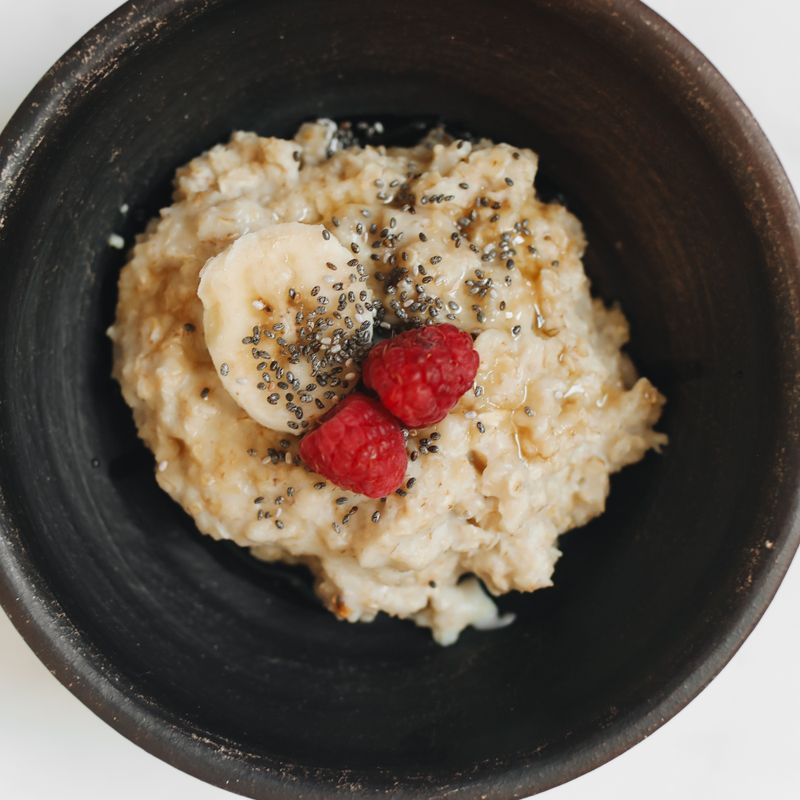
| Breakfast | Oats with fruit and a suitable milk or yogurt | Check labels and arrange ingredients the night before. |
| Lunch | Lentils or beans with vegetables and rice or bread | Use familiar ingredients and safely stored leftovers. |
| Dinner | Fish, tofu or beans with vegetables and potatoes | Choose cooking methods and fats suited to your plan. |
| Optional snack | Fruit, vegetables or a suitable portion of unsalted nuts | Choose according to appetite and individual needs. |
For more preparation ideas, read our breakfast guide and snack ideas . These general articles are not cholesterol treatment plans.
Build a routine around your actual schedule

The NHLBI programme combines eating changes, physical activity and appropriate weight management. Choose activity suited to your health and ability, and seek advice if you have symptoms or medical concerns.
Plan movement when it fits your day. A short suitable walk may be easier to repeat than a demanding workout. The aim is a sustainable plan, not completing a routine at exactly 7 AM.
Water and tea are not cholesterol-removal treatments. For ordinary drink choices, browse our morning drinks guide .

An evening planning check
- What ingredients do I need for tomorrow?
- When could suitable activity fit into my day?
- Do I need to arrange a blood test or appointment?
- Which one change was easiest to repeat this week?
If you smoke, ask about cessation support. If weight management is appropriate, discuss a plan suited to you rather than assuming every reader needs weight loss.
Lifestyle changes and medicine can work together
The NHS explains that medicine may be needed when lifestyle changes are insufficient or cardiovascular risk is high. Needing treatment is not evidence that you have failed.
Do not stop or alter prescribed medicine because you feel better, change your meals or read a supplement claim. Discuss side effects or concerns with your healthcare professional.
Questions for your appointment
- What do my results mean for my overall risk?
- What changes are most useful in my circumstances?
- Could family history affect the care I need?
- Do I need medicine alongside lifestyle measures?
- When should testing be repeated?
How to lower cholesterol naturally: common questions
Can I identify high cholesterol from tiredness?
No. High cholesterol usually has no symptoms. A blood test is needed, and tiredness may have other causes requiring assessment.
Can food changes replace statins?
Do not make that change yourself. Treatment depends on your results and overall risk. Lifestyle measures and medicine may both be needed.
Does warm water or lemon water lower cholesterol?
This guide does not recommend either as a treatment. Focus on evidence-based food changes and appropriate care.
How quickly will my numbers improve?
This article cannot predict an individual result. Follow the testing schedule agreed with your healthcare professional.
Do I need an extreme diet?
The examples here use familiar foods and manageable changes. Get tailored advice when medical needs, allergies or other circumstances affect food choices.
Sources and writing approach
- NHS: High cholesterol
- NHLBI: Therapeutic Lifestyle Changes
- NHS: Eating less saturated fat
- NHS: Cholesterol medicines
These sources have not reviewed or endorsed this article. The meal and routine examples are editorial suggestions, not a tested treatment programme.
I own this blog and check health information using medical websites. This article has not been personally reviewed by a medical professional. Learn more on the About page and read our Disclaimer.