Practical choices · Clear portions · Everyday preparation
Low Calorie Snacks for Weight Loss: 15 Ideas and Portion Tips
Choosing low calorie snacks for weight loss starts with the portion and preparation—not a promise that a particular food will keep everyone full or cause fat loss.
This guide includes lighter fruit and vegetable options, crunchy alternatives and more energy-dense foods that need thoughtful portions.
Article contents
Read the portion before judging the snack
A serving on a food label is not necessarily the amount you should eat. The NIDDK distinguishes the labelled serving from the portion you actually choose.
Check how many servings are in a packet and whether the calorie information is per serving or per 100 g. Include dips, oil and toppings when comparing options.
A small portion of an energy-dense food and a larger portion of a lighter food can have different roles. Neither needs to be labelled “bad.” Choose according to your needs rather than the smallest calorie number.
For meal organisation beyond snacks, explore our beginner habit guide .
15 low calorie snacks for weight loss: ideas to adapt
The list includes lighter choices and portion-sensitive alternatives. No food here guarantees weight loss. The pictures illustrate the foods rather than specifying the portion you should eat.

1. Plain air-popped popcorn
Prepare following your air popper’s instructions. Add a seasoning you enjoy, such as paprika.
Portion check: butter, oil, caramel and other coatings change the snack. Compare the finished product rather than popcorn kernels alone.

2. Roasted chickpeas
Use cooked chickpeas, dry them well and roast with your preferred seasoning, following a suitable recipe.
Portion check: chickpeas provide a different option from raw vegetables. Added oil and the amount served affect the calories.

3. Makhana
Makhana, also called fox nuts, can be a crunchy option. Follow the product’s preparation instructions.
Portion check: compare plain and flavoured products. Oil, coatings and packet size matter more than the “healthy snack” wording.

4. Apple slices with cinnamon
Wash an apple, slice and add a little cinnamon if you enjoy it. No sweetener is needed for this example.
Practical tip: cinnamon supplies flavour; this recipe does not present it as a fat-burning ingredient.

5. Cucumber sticks
Wash and cut cucumber. Add lemon or pepper for taste if tolerated, or enjoy it plain.
Practical tip: if vegetables alone do not meet your hunger needs, consider an appropriate accompaniment rather than forcing a tiny snack.

6. Carrot sticks
Wash and cut carrots for a convenient crunchy option. A dip such as hummus can be added if suitable.
Portion check: include the dip when comparing the whole snack. Keep prepared produce refrigerated as appropriate.

7. Watermelon cubes
Cut washed watermelon using clean utensils and refrigerate the cut fruit. Serve a portion you enjoy.
Practical tip: choose it because it suits your taste, not because fruit guarantees weight loss or replaces your hydration advice.

8. Rice cakes
Use a plain product or add a topping you enjoy. Check the label for the actual size and ingredients.
Portion check: toppings change the snack. A rice cake does not need to be eaten plain simply to achieve the lowest possible calorie count.

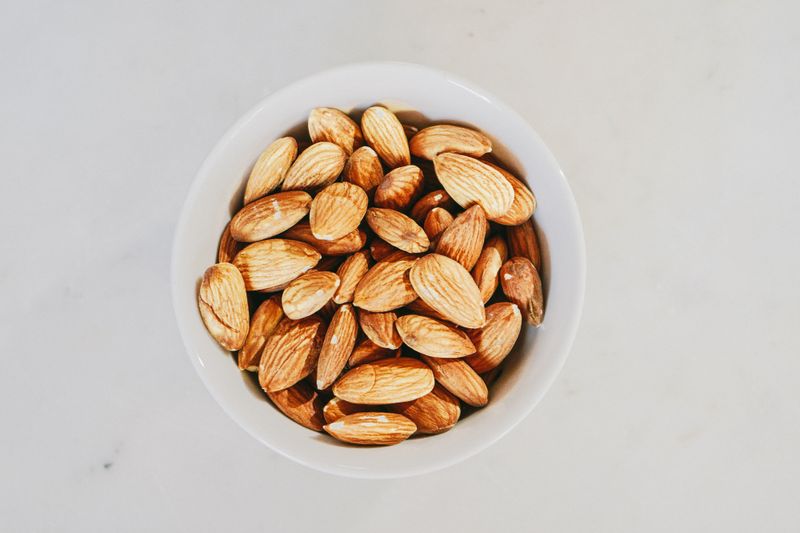
9. Pumpkin seeds
Choose a product you enjoy and serve it in a small container rather than assuming the pictured bowl represents one serving.
Portion check: seeds are energy-dense. They are included as a portion-sensitive option, not an inherently low-calorie food.

10. Strawberries
Wash and serve fresh strawberries, or use a suitable frozen product according to its instructions.
Portion check: chocolate coatings, cream and sweetened sauces change the finished snack. Compare the whole combination.

11. Bell pepper slices
Wash, remove the seeds and cut into strips. In the UK, these are commonly called peppers.
Practical tip: prepare them alongside lunch ingredients to avoid a separate snack-preparation task.

12. Chilled or frozen grapes
Wash grapes and chill, or freeze for a different texture. Fresh grapes are an alternative if you find frozen fruit too hard.
Safety note: this is an adult snack guide. Whole grapes and hard frozen foods are not suitable for everyone, including people with swallowing difficulties.

13. Corn
Choose cooked corn or a roasted product you enjoy. Follow cooking or reheating instructions.
Portion check: fresh cooked corn, dried roasted kernels and heavily seasoned products are different preparations. Do not assume they have identical calories.

14. Baked zucchini slices
Zucchini, also called courgette, can be thinly sliced and baked using a suitable recipe. Texture depends on thickness, moisture and cooking method.
Portion check: oil and coatings affect calories. Homemade does not automatically mean lower-calorie.

15. Portioned trail mix
Mix ingredients you tolerate, such as nuts, seeds and dried fruit. Pack a portion for convenience.
Portion check: trail mix is energy-dense and may contain allergens. It can fit a routine, but should not be described as automatically low-calorie.
Plan low calorie snacks for weight loss around your day
Choose two or three options that fit your taste, budget and storage arrangements. You do not need fifteen different foods in the cupboard.
- At work: check whether refrigeration is available.
- At home: keep preparation simple and utensils clean.
- When travelling: select suitable packaged options and read labels.
- For allergies: check ingredients and cross-contact warnings.
Portioning into a container can make the amount visible, as suggested by MyPlate. It is a planning tool, not a rule to ignore hunger or restrict intake excessively.
If a very light snack repeatedly leaves you hungry, consider the wider meal pattern or seek individual advice. The goal is an appropriate routine, not eating as little as possible.
For related preparation ideas, browse our breakfast guide and morning drink recipes .
Frequently asked questions
Are all fifteen options low in calories?
Not automatically. Seeds, nuts and trail mix are energy-dense. Portion, recipe and toppings determine the calorie content of the snack you actually eat.
How many snacks should I eat each day?
This guide does not prescribe a number. Needs vary with appetite, meal timing, health and individual advice.
Will these snacks keep me full?
Satisfaction varies. No snack here guarantees fullness for a set time. Adapt your choice and review your overall meals if needed.
Can I eat these with a medical condition?
Follow individual advice for conditions affecting food choices or intake. These general examples cannot replace a tailored plan.
Will choosing these snacks cause weight loss?
The article cannot predict that. It provides food ideas and planning tips, not a complete individual weight-management programme.
Sources and writing approach
These sources have not reviewed or endorsed this article. The snack examples have not been individually tested for weight-loss effects or nutritionally analysed.
I own this blog and check health information using medical websites. This article has not been personally reviewed by a medical professional. Learn more on the About page and read our Disclaimer.