
Simple meals · Manageable movement · Steady habits
Easy Weight Loss Plan for Beginners: A 15-Day Habit Guide
Start with everyday foods and a routine you can repeat. This guide gives you meal ideas, gentle movement options and a flexible schedule for your first 15 days.
Think of these two weeks as practice, rather than a deadline for changing your body. The aim is to find habits that remain useful when work, family life or the weather changes your plans.
Choose two manageable habits, plan a few familiar meals and start moving at your current ability. Review what worked after 15 days, without expecting a guaranteed result on the scale.
Article contents
Choose two habits you can repeat
Start by identifying the part of your day that needs help. Perhaps lunch is unpredictable, dinner ingredients are missing, or your planned workout takes more time than you have. Solve one practical problem first.
“Pack lunch before bed on working days” is easier to act on than “eat perfectly.” “Take a comfortable walk after work on Monday and Thursday” gives you a clear appointment.
- Food habit: plan one meal or drink choice.
- Movement habit: choose a suitable activity and time.
- Backup: decide what you can do on a busy day.
A backup might be a short indoor walk or a simple beans-on-toast dinner. It helps you continue without needing a perfect day.
Build a flexible meal routine
These combinations are examples, not prescribed portions or a calorie-controlled menu. Adapt ingredients for allergies, preferences and any professional advice you have received.
Breakfast: prepare for your morning
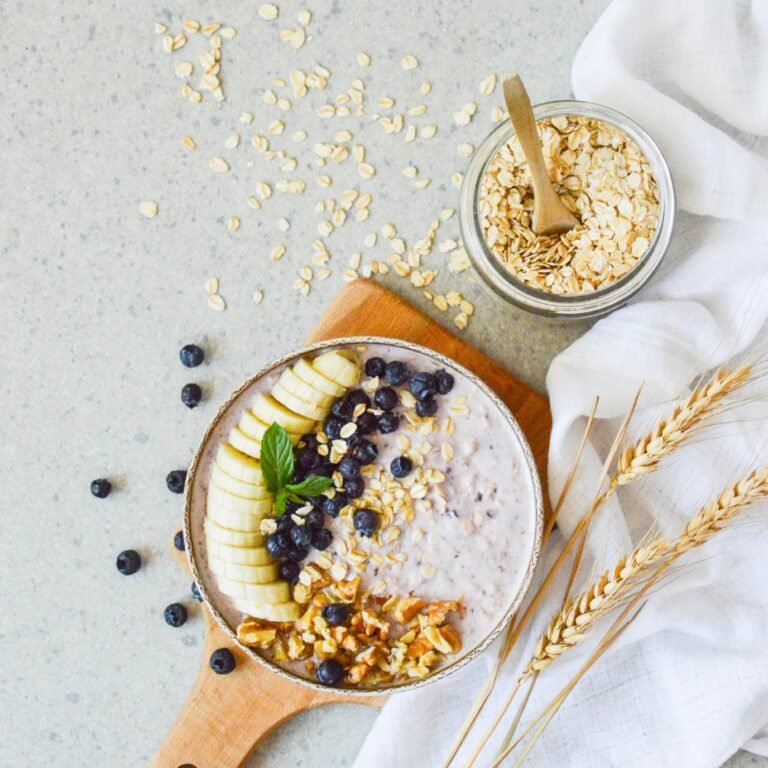
Try oats with plain yogurt and fruit, eggs with wholegrain toast, or tofu scramble with vegetables. Choose something you can prepare without a rushed shopping trip. The breakfast picture above is one of your original article images.

An optional morning snack
Fruit and a serving of nuts can be convenient. Plain yogurt is another option. Snacks are optional; you do not need to eat at a fixed time when you feel satisfied.
Lunch: use familiar ingredients
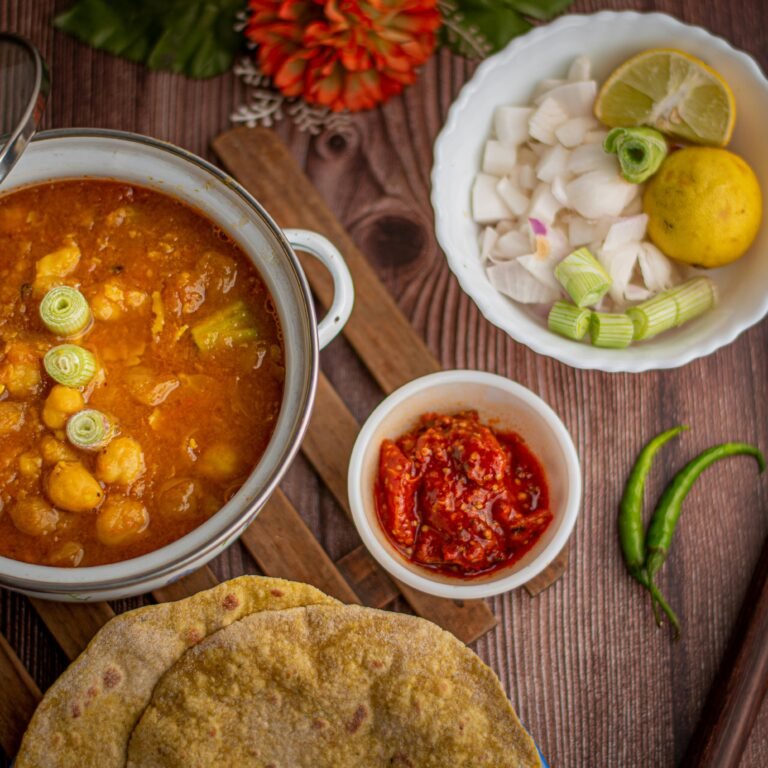
Combine lentils, beans, tofu, fish or chicken with vegetables and rice, bread, potatoes or chapati. A bean wrap or leftovers can make lunch easier on a working day.
An easy afternoon option
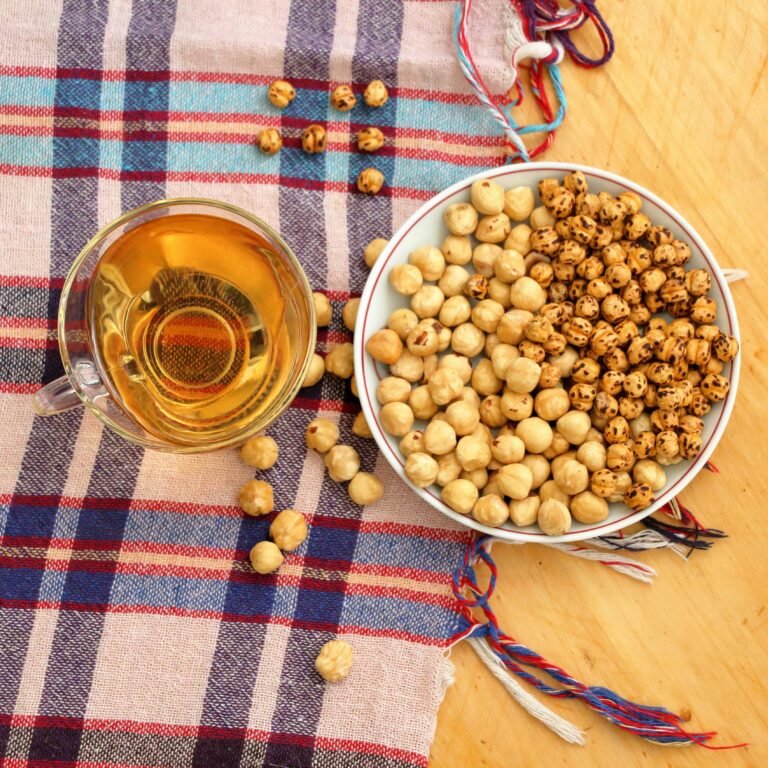
Keep a convenient option available, such as roasted chickpeas, fruit or yogurt. Serve it in a bowl if that helps you decide how much you want.

Dinner: keep a backup available
Try chicken and vegetable soup, a bean stew, or tofu stir-fry with rice. Keep one dinner option that takes little preparation when you arrive home late.
One example working-day menu
You could arrange the ideas as oats and fruit in the morning, a chickpea wrap at lunch, an optional yogurt later, and vegetable-and-bean stew for dinner. This is a planning example, not a menu that predicts weight loss.
Your energy needs and suitable portions are individual. A registered dietitian can help if you need a tailored plan.
The ingredients are commonly available in the US, UK and Canada. Use local equivalents: courgette is also called zucchini, and chickpeas are also called garbanzo beans. You do not need expensive products labelled as “diet foods.”
Shop for meals you will actually make
A short list with overlapping ingredients is easier to use than fifteen unrelated recipes. Check your cupboard before shopping so you can build around what you already have.
- Two protein foods: for example, eggs and beans, or tofu and fish.
- Two staples: oats, rice, bread or potatoes.
- Produce: fresh or frozen vegetables and fruit you enjoy.
- Flavour: herbs, spices or other ingredients already available.
For a simple preparation session, arrange tomorrow’s breakfast, pack lunch and prepare one dinner ingredient. Follow food-storage instructions and label leftovers.
Compare prices per unit. Frozen vegetables and canned beans can be useful when fresh ingredients are expensive or difficult to keep.
Start moving at your current ability
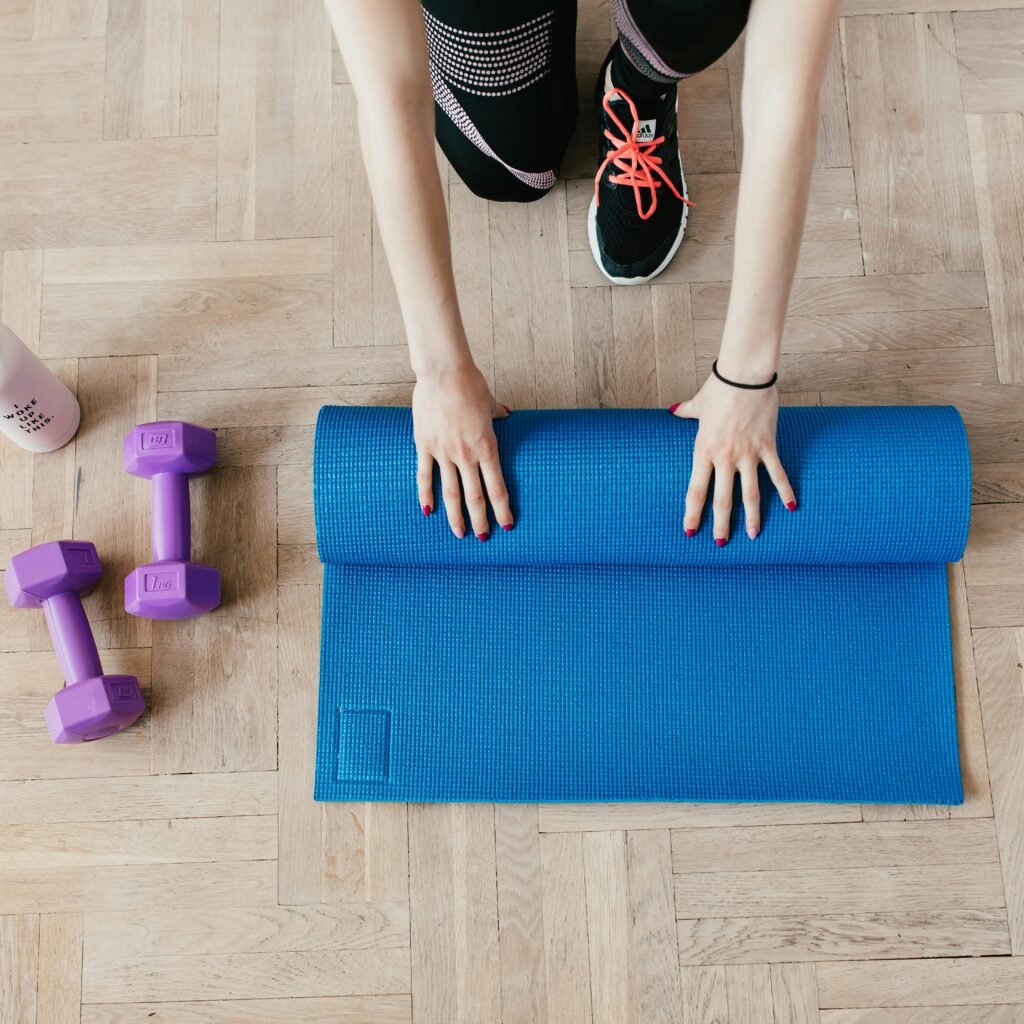
Start with a short, comfortable activity. Walking outdoors, indoors or around a shopping centre may suit different weather and accessibility needs. Short sessions can be easier to fit into a working day.
A gentle strength practice
If suitable for you, try a few controlled repetitions of the following movements. Start with fewer if needed. Use stable support and avoid movements that hurt.
- Warm up: move gently with an easy walk or march.
- Chair sit-to-stand: rise from a stable chair and lower yourself slowly.
- Wall push-up: bend and straighten your arms with your hands against a wall.
- Supported calf raise: gently lift your heels while holding stable support.
- Finish: return to an easy pace and let your breathing settle.
This is a short practice, not a complete strength programme. Leave recovery time between sessions. If you have been inactive for some time or have medical concerns, ask a healthcare professional which activities are appropriate.
Stop if you experience pain, dizziness or unusual breathlessness. Seek urgent medical help for concerning symptoms such as chest pain.
Your flexible 15-day schedule
This schedule is an editorial planning example, not a clinically tested weight-loss programme. Shorten, repeat or skip an activity according to your needs. You do not have to increase the duration every day.
| Day | Movement option | Planning task |
|---|---|---|
| 1 | Comfortable 5–10-minute walk | Choose two manageable habits. |
| 2 | Repeat the same walk | Arrange breakfast ingredients. |
| 3 | Gentle strength practice if suitable | Choose an easy lunch. |
| 4 | Rest or comfortable movement | Write a short shopping list. |
| 5 | 5–15-minute walk, as comfortable | Plan a backup dinner. |
| 6 | Repeat gentle strength practice | Prepare one meal ingredient. |
| 7 | Rest or an enjoyable easy activity | Review what fitted your week. |
| 8 | Repeat your comfortable walking time | Restock useful ingredients. |
| 9 | Gentle strength practice | Pack lunch before a busy day. |
| 10 | Walk; split into short sessions if useful | Review drinks and meal extras. |
| 11 | Rest or comfortable movement | Plan a realistic bedtime routine. |
| 12 | 10–20-minute walk only if ready | Try a new meal combination. |
| 13 | Gentle strength practice | Prepare tomorrow’s ingredients. |
| 14 | Rest or an enjoyable easy activity | Choose two habits to continue. |
| 15 | Repeat an activity that worked | Plan your next week. |
Missed a day? Continue at the next practical opportunity. You do not need to restart the guide or compensate with skipped meals or an exhausting workout.
Review progress without chasing a deadline
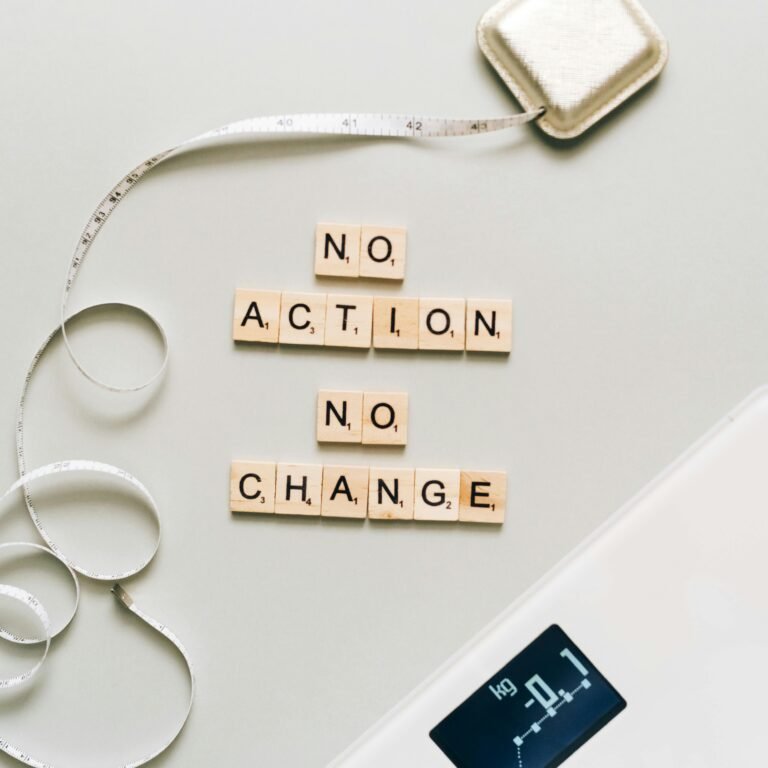
After 15 days, review your routine. Which meal was easiest to prepare? Which activity fitted your schedule? What made the difficult days difficult? Use those answers to adjust the next week.
The CDC describes gradual loss of about 1–2 lb (approximately 0.5–0.9 kg) weekly as more likely to be maintained than faster loss. This is general guidance, not a result everyone should expect or a 15-day promise.
- Keep: one habit that fitted naturally.
- Adjust: one task that required too much effort.
- Prepare: a backup for your busiest day.
If weighing yourself is helpful and does not cause distress, compare readings taken under similar conditions. You can also record practical changes, such as preparing lunch more often or completing a comfortable walk.
If weight management is affecting your wellbeing, seek individual support. General online information cannot assess your health history or explain every change.
Frequently asked questions
Will I lose weight in 15 days?
This guide cannot predict that. It is a habit-building schedule, not an individual energy prescription. Your circumstances and longer-term habits matter.
Do I need a gym?
No gym membership is needed for the movement examples here. Choose a safe space, stable support and activities appropriate to your ability.
Can I use vegetarian meals?
Yes. The examples include beans, lentils and tofu. Adapt meals to your preferences and get individual nutrition advice when needed.
Can I keep familiar foods such as rice or chapati?
These can be included in the meal examples. There is no requirement to replace your usual cuisine with special diet products. Appropriate portions depend on your individual needs.
Do I have to count calories?
This guide does not prescribe a calorie target or require calorie counting. A qualified professional can help choose a suitable individual approach.
What happens after day 15?
Continue the habits that worked, simplify those that did not and plan another manageable week. Increase activity gradually rather than making a sudden jump.
Sources and further reading
These public-health resources support the general goal-setting and activity guidance. They have not reviewed or endorsed this article or its example schedule.
- CDC: Steps for Losing Weight — realistic goals, gradual progress and individual factors.
- NHS: Physical activity guidelines for adults aged 19 to 64 — weekly activity guidance and suitable intensity.
The meals and 15-day schedule are editorial examples. Learn about the blog’s writing approach on the About page and read the Disclaimer for the limitations of our content.