Progress checks · Muscle support · Realistic limits
Fat Loss vs Muscle Loss: 10 Practical Progress Checks
Understanding fat loss vs muscle loss requires more than watching a scale or looking in the mirror. Weight changes can include changes in fat, lean tissue and body water.
The checks below can help you review a routine, but they cannot prove that every kilogram lost was fat or that no muscle was lost.
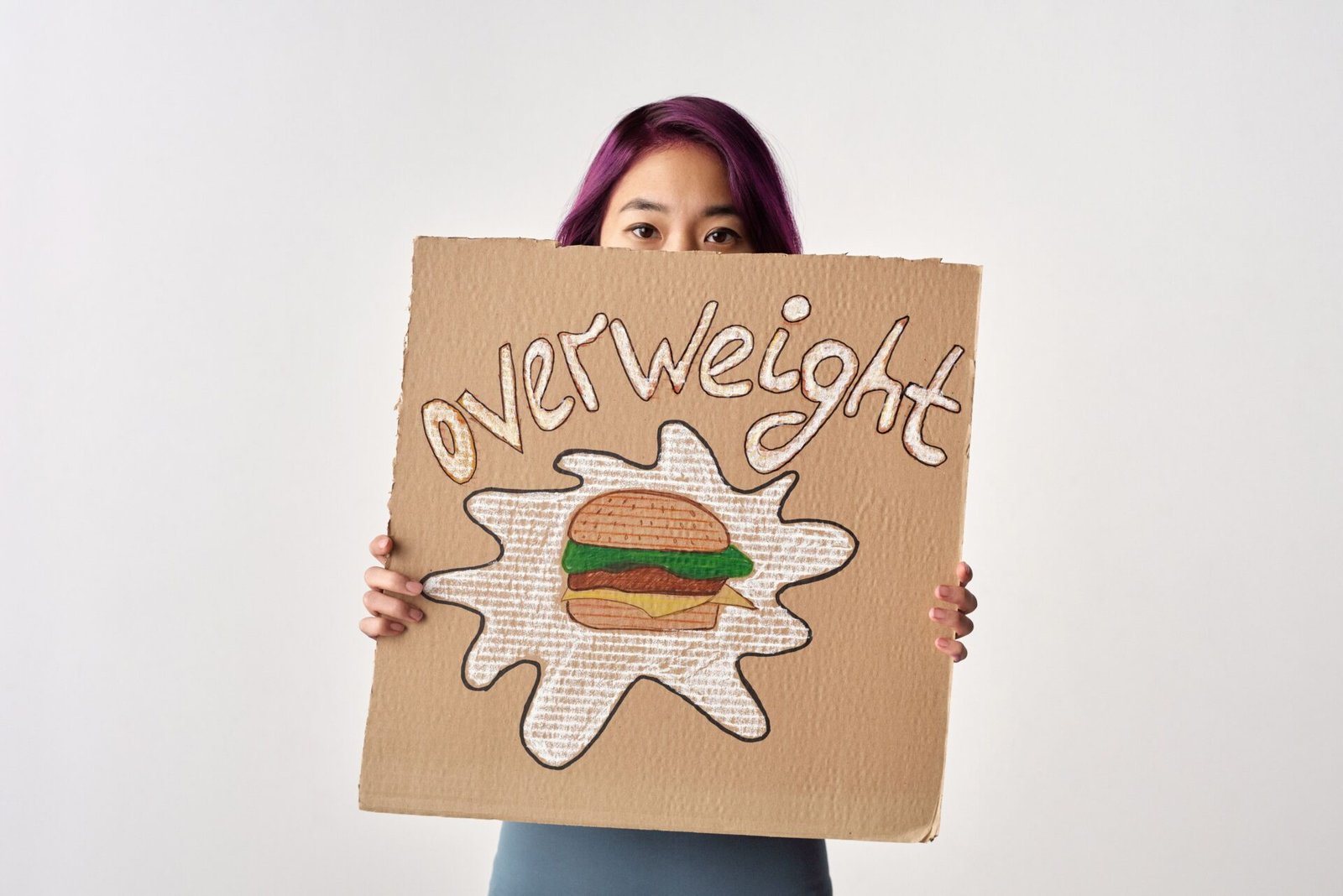
Fat loss vs muscle loss: understand the distinction

Muscle supports movement and physical function. Fat also has normal roles in the body. Neither health nor progress should be judged solely by looking leaner.
Fat-free mass includes more than skeletal muscle. Do not assume that a study or device reporting a change in lean mass has measured muscle alone.
A systematic review found that adding resistance exercise to dietary weight loss can help preserve fat-free mass. This supports including appropriate exercise rather than promising that it prevents all lean-tissue loss.
Research review: Resistance exercise during dietary weight loss
1. Look at weight trends, not a single reading
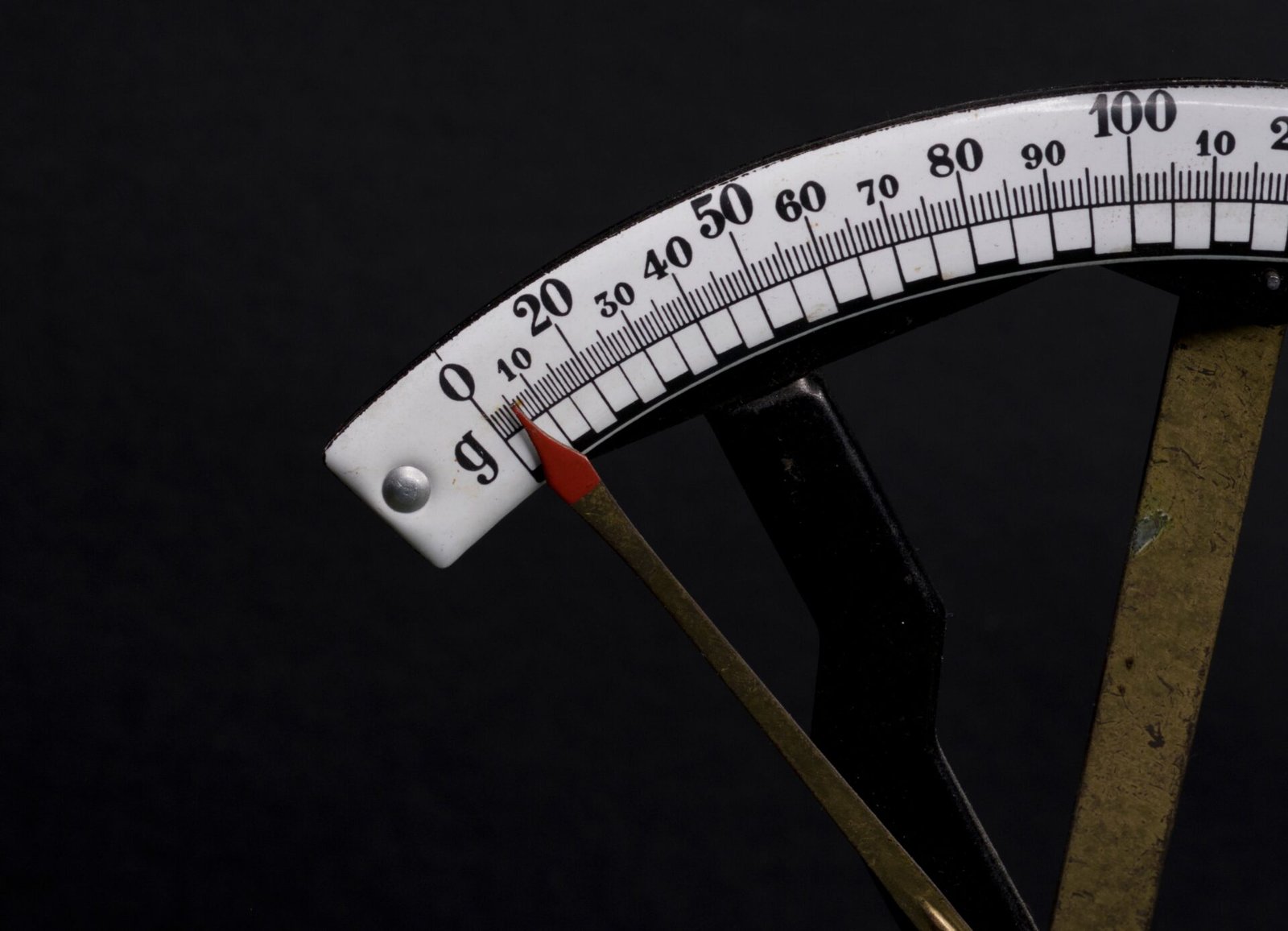
If weighing is useful and comfortable for you, use comparable conditions and look across time. A scale measures total weight, not which tissue changed.
A sudden drop is not proof of rapid fat loss. Do not respond to every daily fluctuation by changing your food intake or workout.
2. Measure consistently if you choose to measure
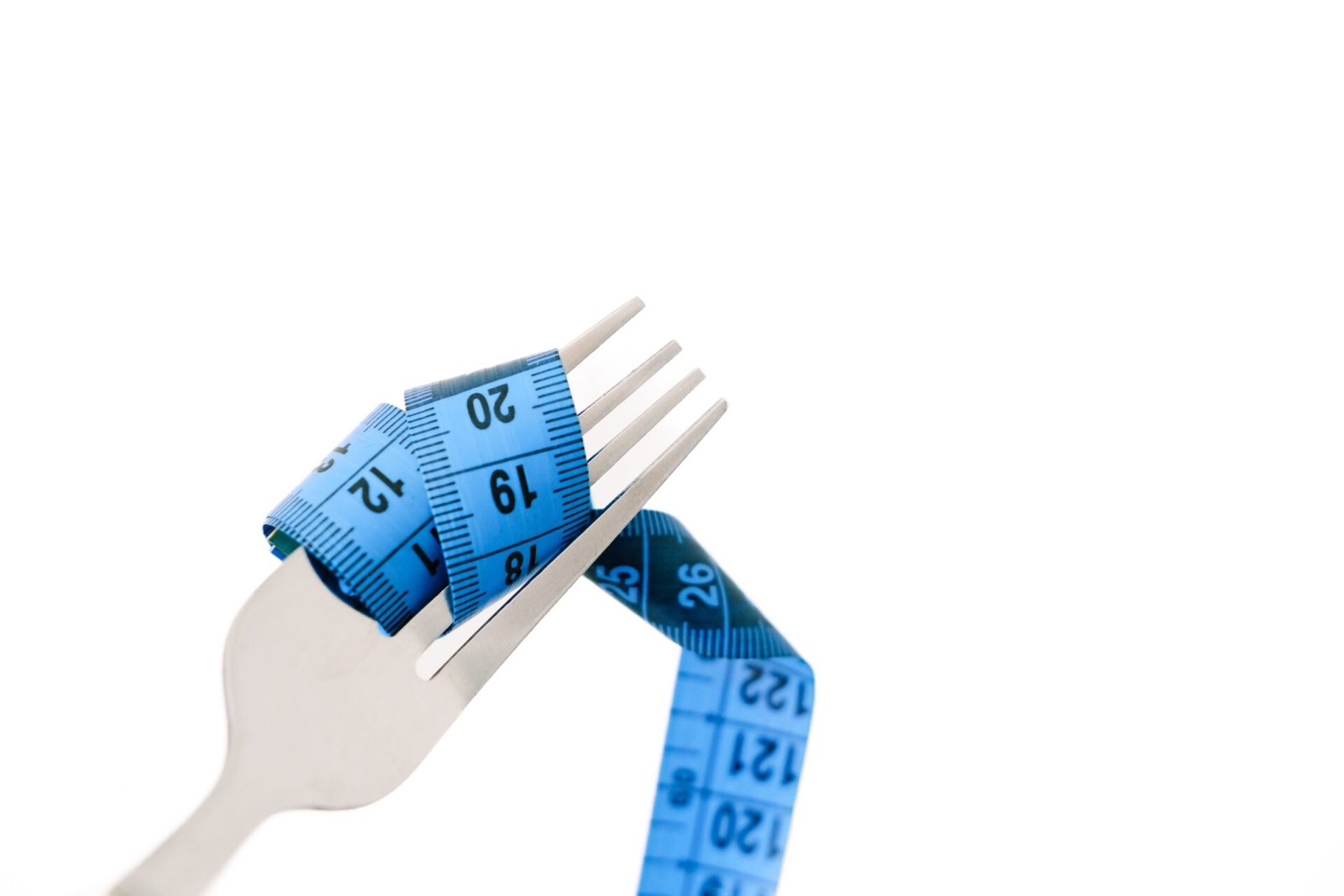
Use the same measurement location and technique. Posture, tape placement and abdominal fullness can affect the result.
A waist trend can add context, but it does not show whether muscle elsewhere has changed. Measurements are optional, not a daily requirement.
3. Treat clothing fit and photographs cautiously

Clothing can stretch, and photographs vary with lighting, pose and camera distance. Neither reliably separates fat loss from muscle loss.
Skip photographs or measurements if they increase distress or obsessive checking. Functional goals can provide a more comfortable way to review progress.
4. Record performance without calling it a muscle measurement

Keep a simple record of exercises, resistance and repetitions if that suits your training. Maintaining performance can be useful, but strength is also affected by technique, fatigue and practice.
One difficult session does not establish muscle loss. Persistent decline deserves a review of training, recovery and nutrition.
5. Review food intake and protein sources
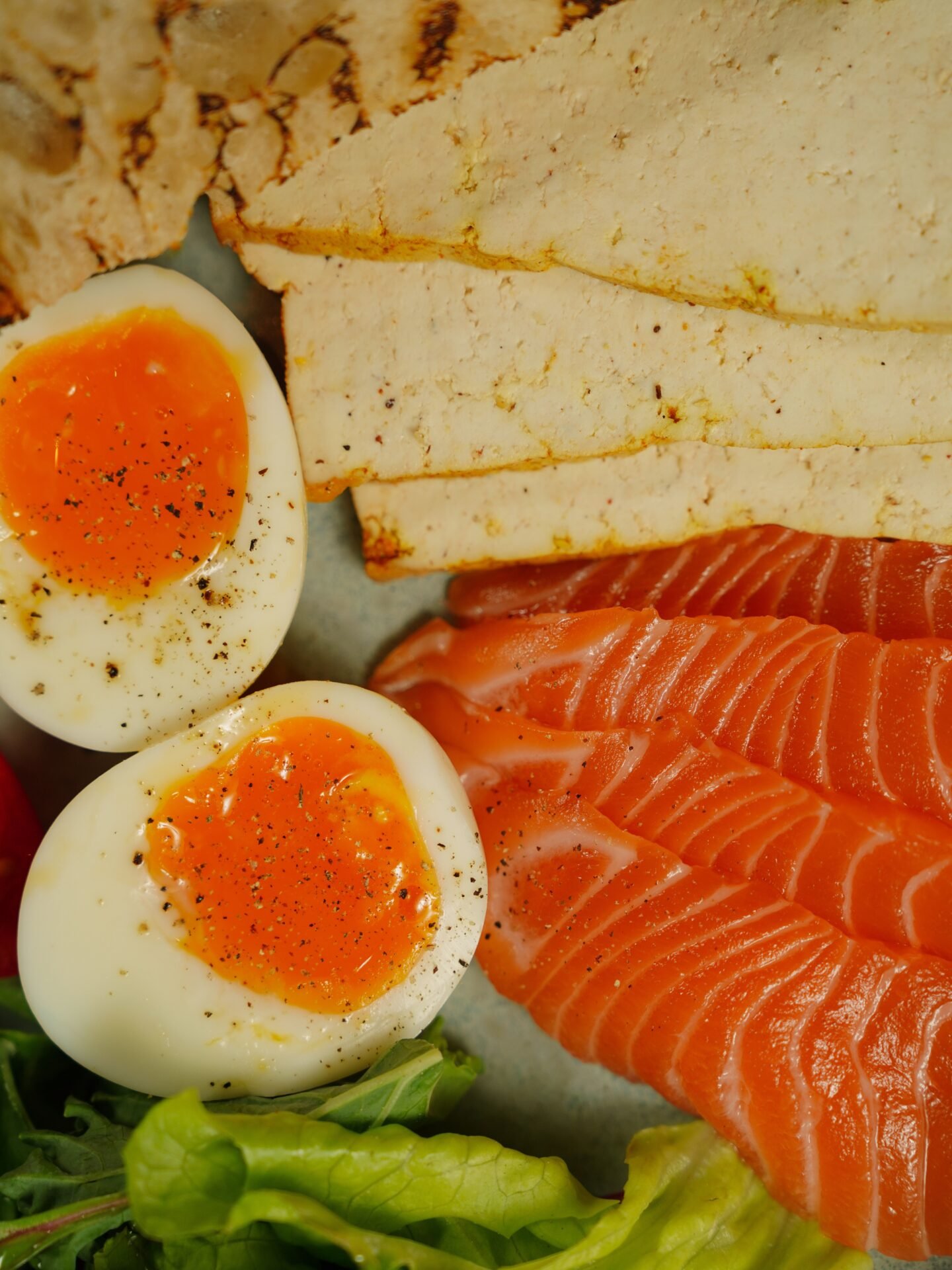
Including protein foods is a planning choice, not a sign proving muscle has been preserved. Needs vary with age, activity, health and the overall eating plan.
Avoid a universal protein prescription from a blog. A registered dietitian can help, particularly with kidney disease, restricted intake or complex medical needs.
See our protein-containing breakfast ideas and meal-preparation guide for food options.
6. Check whether the plan is overly restrictive

Avoid crash diets and attempts to force rapid changes. CDC describes gradual weight loss as generally more maintainable than faster loss, but no rate proves that muscle is completely preserved.
Do not assume weight loss is appropriate for every reader. Pregnancy, adolescence, illness and eating-disorder history require different considerations.
7. Consider hydration before interpreting a change
Changes in body water can affect weight. Drinking more water does not prove that fat is being lost or that muscle is maintained.
Do not deliberately dehydrate yourself for a lower scale reading. Follow individual fluid advice if you have a medical restriction.
8. Review recovery and persistent symptoms

Sleep and recovery matter for how you feel and perform. Better sleep or higher energy is not a body-composition test.
Persistent dizziness, marked weakness, ongoing exhaustion or unexplained weight loss need professional assessment. Do not simply assume you should eat slightly more and continue the same plan.
9. Understand the limits of body-fat estimates
A consumer device’s body-fat percentage is an estimate, not a direct statement of how much skeletal muscle you have. Compare readings only with an understanding of the method.
If measuring body composition would change a clinical or training decision, ask a qualified professional which assessment is appropriate and how to interpret its uncertainty.
10. Review several indicators together
Look at the wider pattern: your goals, eating plan, training, function, symptoms and any appropriate measurements. Avoid turning one encouraging clue into a claim of confirmed fat-only loss.
A useful review asks what you can sustain, what is causing discomfort and whether professional support would help. Appearance alone should not determine success.
For general meal variety, explore our practical breakfast guide . Recipe ideas are not an individual body-composition programme.
Fat loss vs muscle loss: common questions
Do stable strength and a smaller waist prove no muscle loss?
No. They may provide useful context, but neither directly measures changes in every tissue.
Is eating protein proof that muscle is preserved?
No. A supportive habit is different from a measured outcome. The wider plan and individual circumstances matter.
Can resistance training help during weight loss?
Research supports its role in preserving fat-free mass during dietary weight loss. It does not guarantee zero muscle loss for every person.
Should I track every day?
Not necessarily. Choose a comfortable approach that supports your goals without obsessive checking. Seek advice if tracking causes distress.
Sources and editorial transparency
These sources have not reviewed or endorsed this article. The checks are practical discussion points, not a validated diagnostic checklist or personally tested programme.
I own Fast Slim Journey and check health information using medical websites. No professional clinical or exercise assessment is claimed. Read about the blog and our disclaimer.