Everyday ingredients · Flexible meals · Practical choices
Breakfast for Weight Loss: 7 Practical Meal Ideas
Choosing breakfast for weight loss does not require a special “fat-burning” food. If you enjoy eating in the morning, these seven ideas offer practical ways to include protein, fibre-rich foods and fruit or vegetables.
Use this guide to choose a meal that fits your appetite, schedule and budget. Portions and your overall eating pattern matter more than whether a breakfast looks fashionable.
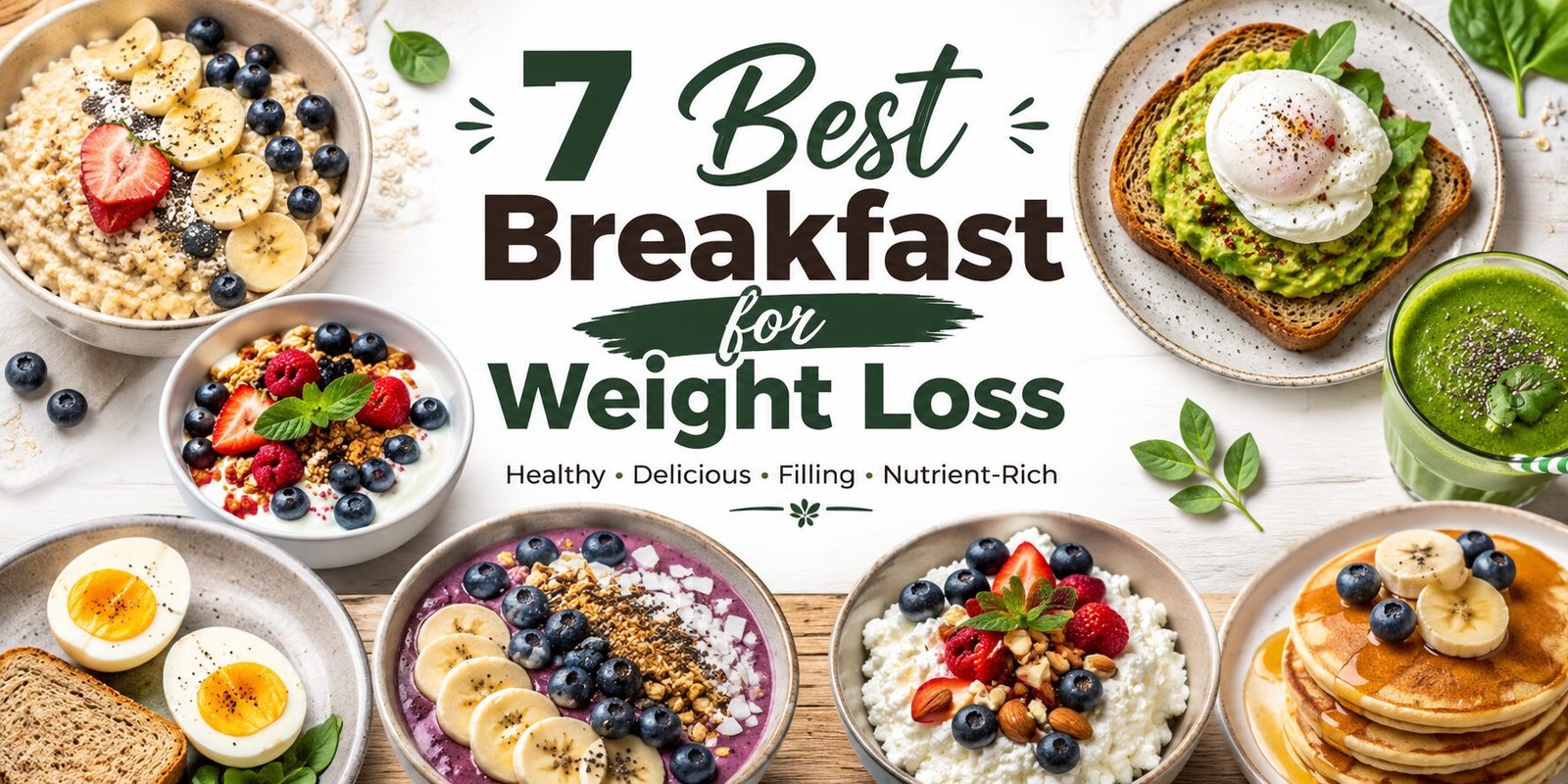
How to choose breakfast for weight loss
Start with the meal you can realistically prepare. Include a protein source such as eggs, yogurt, cottage cheese or a suitable plant alternative. Add a fibre-rich food such as oats, wholegrain bread or fruit.
Adjust the amount to your appetite and needs. There is no single calorie target that suits everyone, and a meal is not automatically low in calories because its ingredients are nutritious.
The NHS healthy eating guidance explains how a breakfast containing fibre and fewer added sugars can fit within a balanced diet.
| Your morning | Ideas to consider | Plan ahead |
|---|---|---|
| No cooking time | Greek yogurt or cottage cheese with fruit | Keep the ingredients ready in the refrigerator. |
| A warm breakfast | Porridge or eggs with toast | Set out oats or prepare ingredients beforehand. |
| A little more time | Smoothie bowl, avocado toast or pancakes | Choose toppings before you start. |
1. Oatmeal with chia seeds and fruit
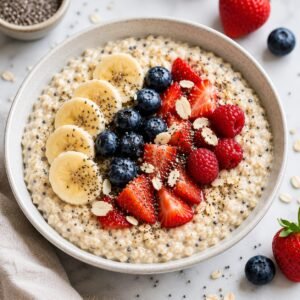
Prepare oats according to the packet, using milk or an appropriate fortified alternative. Add chopped fruit and a small spoonful of chia seeds if you enjoy their texture.
For more protein, consider plain yogurt alongside the oats. Plant drinks vary considerably in protein, so compare labels rather than assuming they are nutritionally equivalent.
Practical adjustment: add fruit and cinnamon before deciding whether you need honey or another sweetener. Keep nuts, seeds and sweet toppings proportionate to the bowl.
2. Greek yogurt with berries
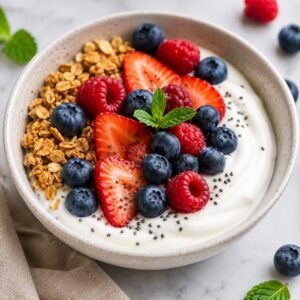
Spoon plain Greek yogurt into a bowl and add fresh or frozen berries. Add oats or a modest amount of granola if you want more texture.
Compare added sugar and protein on product labels. A yogurt marketed as “Greek-style” or a dairy-free alternative may have a different composition from another product.
Practical adjustment: pack the yogurt and fruit separately when taking breakfast to work. Keep chilled foods cold during transport.
3. Eggs with wholegrain toast
Serve boiled, poached or scrambled eggs with wholegrain toast. Add tomatoes, spinach or another vegetable you enjoy. Cook eggs safely and follow local food-safety advice.
Eggs provide protein, while wholegrain bread can contribute fibre. The amount of butter, oil and spreads you add also affects the finished meal.
Practical adjustment: if you avoid eggs, consider tofu with toast. Adapt ingredients to your allergies and dietary preferences rather than forcing a particular meal.
4. A banana and spinach smoothie bowl
Blend banana, washed spinach and plain yogurt or another suitable protein-containing base. Add liquid gradually to keep the mixture thick enough to eat with a spoon.
Use a few toppings you enjoy instead of layering granola, nut butter, coconut, seeds and honey all at once. Large bowls with multiple toppings can contain more energy than expected.
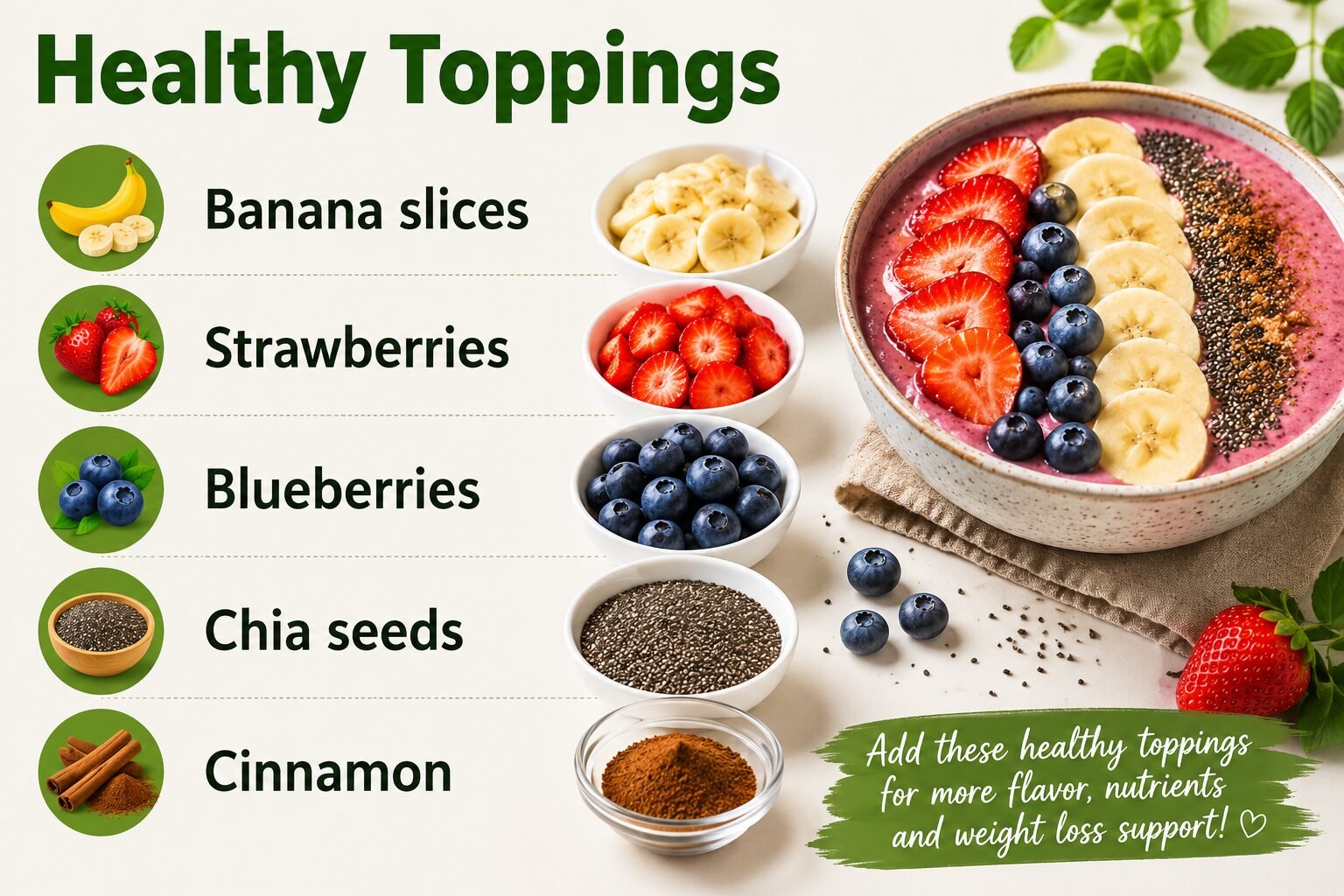
Practical adjustment: if a blended breakfast leaves you hungry, try eating the yogurt and fruit separately and compare which approach suits you.
5. Avocado toast with a protein source
Spread avocado onto wholegrain toast and add an egg, tofu or another protein source. Tomato, pepper and lemon can add flavour without needing several rich sauces.
Avocado contributes fat and fibre, but it is not a fat-burning ingredient. Choose the amount you enjoy within a meal that fits your overall needs.
Practical adjustment: use beans or hummus when avocado is expensive or unavailable. Check the ingredients if you have allergies.
6. Cottage cheese with fruit and nuts
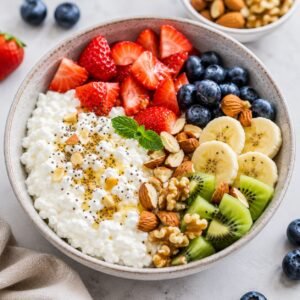
Pair cottage cheese with chopped fruit and a small amount of nuts. Choose a product that fits your preferences and any dietary advice you have received.
Cottage cheese products vary in salt and fat. Compare labels if those are important for your eating plan. Avoid nuts if they are unsafe for you.
Practical adjustment: make a savoury version with cucumber, tomato and wholegrain toast if you prefer breakfast without fruit.
7. Pancakes with yogurt and fruit
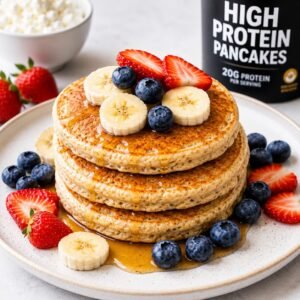
Use a reliable pancake recipe you already know, then serve a portion with plain yogurt and fruit. Oats can be part of a pancake recipe, but adding oats does not automatically make it high in protein.
This guide does not assign a protein claim or nutrition calculation to the pictured pancakes. Those depend on the actual ingredients and serving size.
Practical adjustment: decide on your toppings before serving. Honey, syrup and nut butter can fit your preferences, but generous amounts change the meal substantially.
Make your breakfast routine easier
- Choose two or three options you enjoy rather than buying ingredients for every idea.
- Use frozen fruit when it is convenient and affordable.
- Check labels for added sugar, protein and any allergens.
- Keep perishable foods chilled and follow storage instructions.
- Notice hunger and comfort after eating; adjust the next meal accordingly.
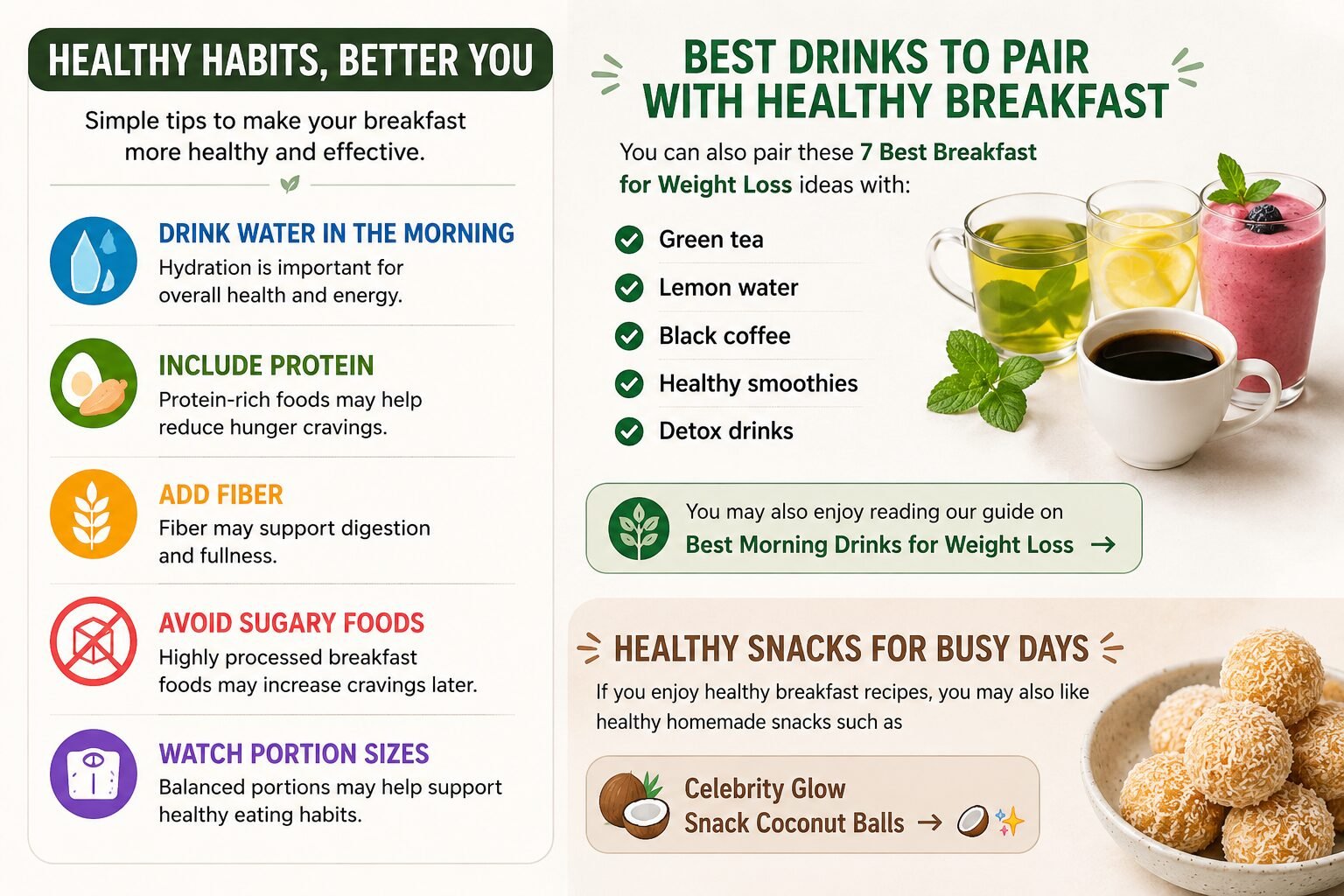
For more detail, explore our protein-focused breakfast guide , morning drink ideas and snack and portion suggestions .
Breakfast for weight loss: common questions
Which of these seven breakfasts is best?
There is no universal winner. Choose based on your preferences, nutritional needs, allergies, budget and available preparation time.
Can breakfast reduce belly fat?
No breakfast selectively removes belly fat. These suggestions are meal options, not a treatment for abdominal fat.
Should I skip breakfast to lose weight?
This guide does not prescribe skipping breakfast. Meal timing should fit your circumstances. Ask your clinician before changing it if you use medicines affected by food intake or have a condition requiring a specific eating schedule.
Do I need protein powder?
No. Eggs, yogurt, cottage cheese, tofu and other foods can provide protein. The amount you need depends on your overall diet and individual circumstances.
Are these breakfasts suitable for everyone?
No. Adapt them for allergies and dietary requirements. This is general adult meal guidance, not a weight-loss plan for children, pregnancy or recovery from an eating disorder.
Sources and writing approach
- BMJ: Breakfast, weight and energy intake—systematic review
- NHS: Eight tips for healthy eating
- NHS: Breakfast recipe ideas
The meal suggestions are editorial examples, not a clinically tested ranking. The linked organisations have not reviewed or endorsed this article.
I own Fast Slim Journey and write from personal experience, checking health information using medical websites. Learn more about the blog and read our disclaimer.