The movement edit · A gentler starting point
Walking for Weight Loss for Beginners: An Easy 4-Week Plan
Start with a walk you can repeat. Build time gradually. Leave room for real life.
Walking for weight loss for beginners does not have to begin with an hour-long workout or a 10,000-step target. A short, manageable walk is a useful starting point when you want to become more active without buying equipment or joining a gym.
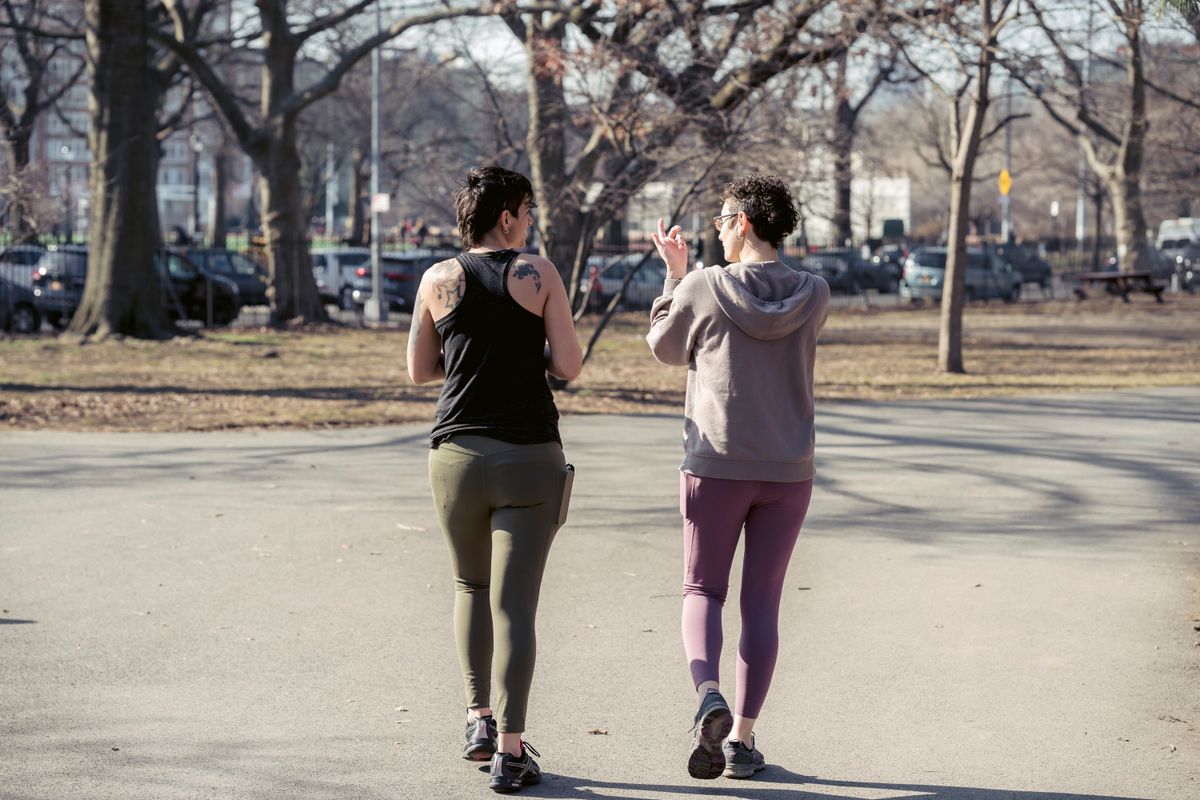
A practical first goal: try 5–10 minutes at a comfortable pace on three days this week, or less if that is your current starting point. Repeat the week when needed. Increase time before adding demanding hills or faster intervals.
01 / Set a useful expectation
How can walking for weight loss fit your routine?
Walking adds movement to your day and uses energy. It can support weight management alongside an eating pattern you can maintain, but it does not guarantee a particular change in body weight. Food intake, starting activity, sleep, health and other factors all matter.
There is no reliable promise that a specific number of walks will remove belly fat. A better early aim is to finish comfortably, recover well and become consistent. More confidence on your usual route is meaningful progress, even before you notice any change on the scales.
The NIDDK guide to eating and physical activity explains why sustainable habits matter. Think of this plan as a way to practise regular movement, rather than a four-week transformation challenge.
02 / Make starting easier
Before you start walking for weight loss
Choose a familiar, reasonably level route where you can turn back easily. A short loop near home is often more useful at first than a scenic route with steep climbs and nowhere to stop. You should not need to complete a long distance simply to get home.
- Wear comfortable, supportive shoes. Check for rubbing or slipping before increasing your time. Expensive specialist gear is not a prerequisite for a short local walk.
- Choose a realistic time. Put three walk appointments in your calendar and keep a shorter backup option.
- Check the conditions. Avoid icy surfaces, extreme heat and unsafe visibility. Choose an indoor alternative when appropriate.
- Respect existing restrictions. If a health condition, recent operation, balance problem or recurring pain affects walking, seek advice tailored to you before following a generic plan.
Stop if you develop pain, dizziness or unusual breathlessness. Chest pain, fainting or severe breathing difficulty needs urgent medical attention. Do not treat concerning symptoms as a sign to push harder.

03 / A flexible starting schedule
A four-week plan for walking for weight loss for beginners
This is an example schedule for adults who can already walk independently and comfortably. It is not a clinically tested programme. The time ranges are suggestions, not targets you must achieve on a particular date. Start below them if necessary, or repeat a week until it feels manageable.
Find your starting point
5–10 minutes · 3 days
Walk at an easy conversational pace. Begin and finish slowly. On other days, rest from planned walks or move gently as comfortable.
Focus: finish feeling you could repeat it.
Repeat, then add a little
10–15 minutes · 3–4 days
If the first week was comfortable, add a few minutes to selected walks. Keep the pace easy. Do not increase time and intensity together.
Focus: build a dependable routine.
Try a purposeful middle
15–20 minutes · 4 days
Start easily. If ready, spend a short part of the middle walking a little more briskly, while still able to talk. Ease back if that feels too demanding.
Focus: notice how different paces feel.
Make it sustainable
20–25 minutes · 4–5 days
Keep only the increase that feels manageable. Split a walk into shorter outings when useful, and leave room for recovery and busy days.
Focus: choose a pattern you can continue.
The schedule builds a foundation; it does not automatically meet the general adult target of at least 150 minutes of moderate-intensity activity each week. Easy minutes are still useful movement, but are not all moderate-intensity minutes. Muscle-strengthening activity also belongs in a broader routine. See the CDC explanation of adult physical activity.
04 / Effort before numbers
What pace works for walking for weight loss?
Begin at a pace that lets you speak comfortably. When you are ready for a moderate effort, the CDC's talk test offers a simple cue: you can talk, but singing would be difficult. If you can manage only a few words, slow down rather than trying to force the pace.
You do not need one universal speed in miles or kilometres per hour. A pace that feels easy to one person can be demanding for another. Hills, temperature and the surface also affect effort. Let your current ability guide the first few weeks.
Do you need 10,000 steps a day?
You do not need to reach that number before a walk becomes worthwhile. For this plan, track minutes and how the walk felt before worrying about a fixed step count. The NHS walking guide highlights the value of a brisk 10-minute daily walk and recommends building distance gradually.
If you enjoy counting steps, first observe your usual pattern. Use the same device consistently and avoid comparing your total with someone else's. An arbitrary streak is not a reason to walk through pain or go out in unsafe conditions.
05 / Notice what changes
Walking for weight loss: track comfort and consistency
A walking for weight loss tracker can be very simple. After each outing, note three things: how long you walked, whether the effort was easy or moderate, and whether anything felt uncomfortable.
Your three-line walking log
Date and minutes: ____________________
Effort: easy / moderate Route: __________
How I felt during and afterwards: __________
Look for patterns over several weeks. Can you repeat the route more comfortably? Are your planned walks easier to fit into the week? Are you recovering well? Those questions are more useful than reacting to one unusually low step count or one body-weight reading.
If you track body weight, remember that short-term readings can fluctuate. No change on one day proves that walking is ineffective, and a sudden drop does not prove fat loss. Avoid making the plan harder simply because a single measurement disappointed you.
06 / Put the walk in context
Support walking for weight loss with balanced meals
Walking for weight loss for beginners works best as part of an overall routine. You do not need to skip meals, ban carbohydrates or replace dinner with a drink because you have started walking. Look at the food pattern you can realistically keep, including portions and regular meals.
Calorie estimates from watches and apps are not a precise meal allowance. Avoid treating an estimated exercise number as an instruction to eat exactly that amount back. Equally, walking should not become a punishment for eating.
For practical food ideas, try our apple cinnamon overnight oats or no-cream chicken vegetable soup. Use them as meal options, not weight-loss treatments. Our snack and portion guide offers other choices to consider.
07 / Keep room for real life
Walking for weight loss on busy days
When you only have a few minutes
Choose a shorter walk rather than abandoning the routine. You could walk after an ordinary daily activity, such as lunch or finishing work. This is a scheduling idea, not a claim that a particular time burns more fat.
When outdoor conditions are unsuitable
Use a clear indoor corridor, an accessible indoor walking space or another suitable level route. Remove trip hazards and wear appropriate footwear. If using a treadmill, learn its controls and safety features first and follow the manufacturer's guidance.
When the routine starts to feel repetitive
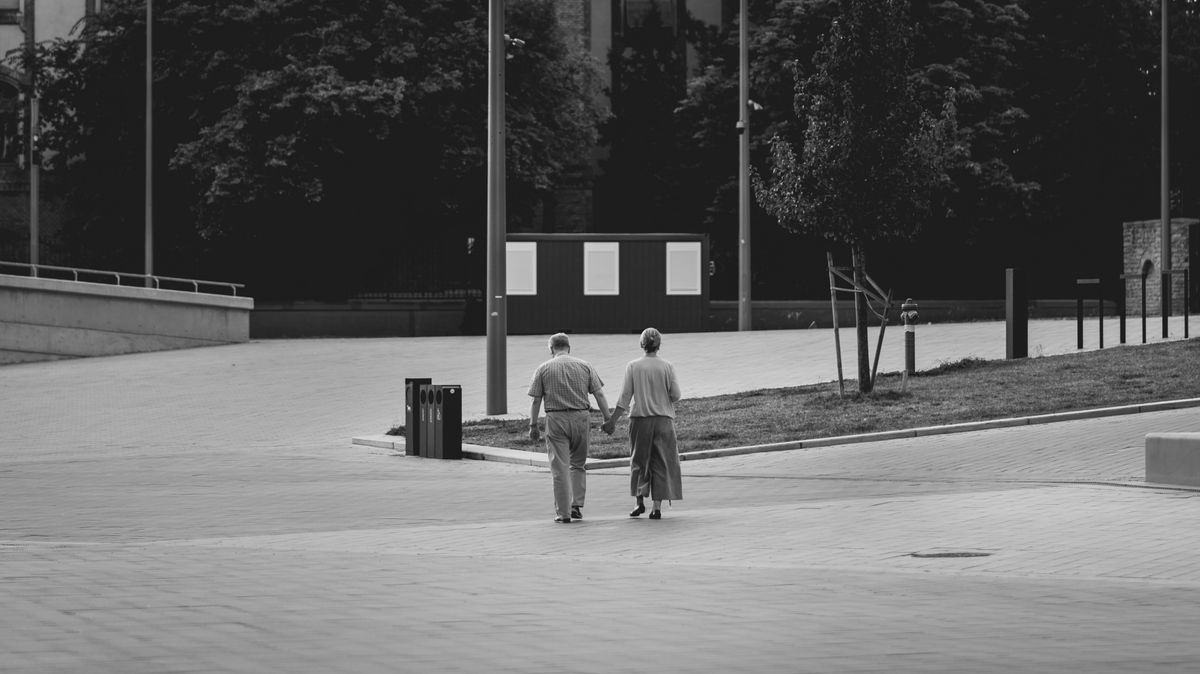
Invite someone who is happy with your pace, change a short section of your route or keep a simple weekly checklist. A companion should make the walk easier to enjoy, not turn it into a competition.
08 / Common questions
Walking for weight loss for beginners: FAQs
How much weight can I lose walking for weight loss in four weeks?
No reliable amount can be promised from this schedule. Changes depend on your wider routine and individual circumstances. The first four weeks focus on building an activity habit.
Should I go walking for weight loss every day?
You can move on most days if comfortable, but a beginner does not need a challenging planned walk every day. This schedule includes days without a planned session and allows weeks to be repeated.
Is indoor walking useful?
Yes, it can be a practical way to add movement. Keep the surface clear and appropriate for your balance and mobility. The effort you use, not simply being indoors or outdoors, determines intensity.
Should I walk before or after breakfast?
Choose a time that feels comfortable and fits your routine. This guide does not prescribe fasted exercise. If food timing affects a condition or medicine you use, seek individual advice.
How do I continue walking for weight loss after week four?
Continue the amount you can repeat comfortably, then gradually develop your broader activity routine. Longer walks, more moderate-intensity minutes and strength work can be considered according to your ability and needs.
Sources and editorial notes
Written for Fast Slim Journey using the official NHS, CDC and NIDDK guidance linked above. The weekly schedule is an illustrative editorial plan, not a clinical prescription or a personally tested transformation programme. Those organisations have not reviewed or endorsed this article.
Real photographs are used as illustrations under the Pexels licence: park walk, woodland path and walking together. The people pictured are not presented as clients or participants in this plan.
Read about the blog, our disclaimer, or contact us with a correction.