One pot · Plenty of vegetables · No cream
Chicken Vegetable Soup for Weight Loss: Easy, No-Cream Recipe
Chicken vegetable soup for weight loss is best thought of as a practical meal option, rather than a special fat-burning food. This broth-based version combines chicken, vegetables and measured oil without cream. Your portion, accompaniments and overall eating pattern determine how it fits your goals.
The method below uses boneless chicken breast, everyday vegetables and a single pot. Make a small batch first, adjust the seasoning to your taste and use a food thermometer to check the chicken.
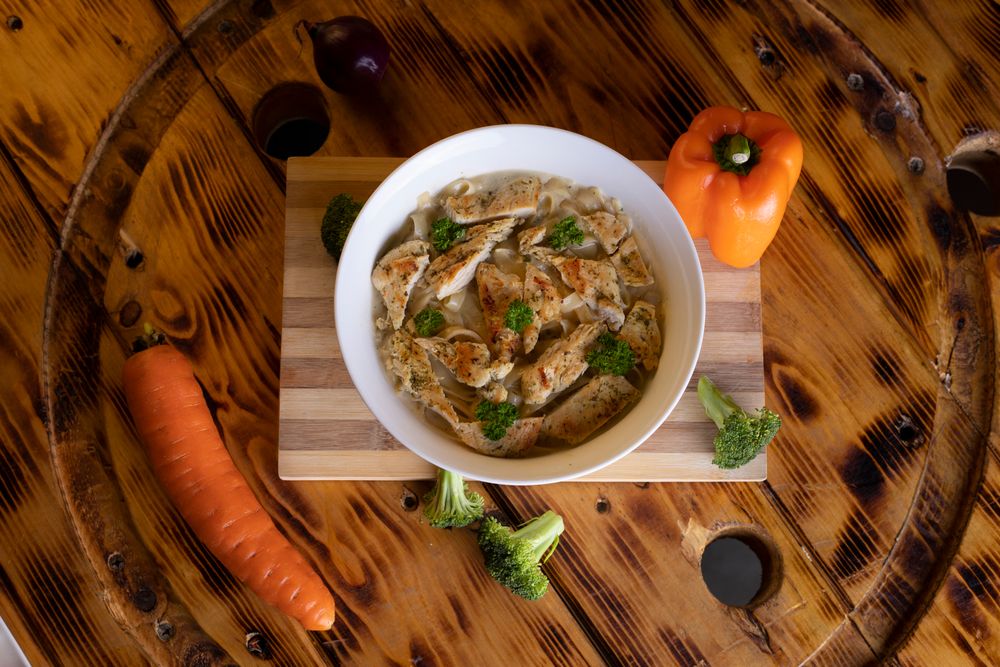
How chicken vegetable soup for weight loss fits a balanced meal
Chicken supplies protein, while vegetables add variety and bulk. A measured amount of oil makes the recipe easier to repeat than pouring freely. Leaving out cream changes the ingredients, but it does not establish an exact calorie count or make portions unlimited.
The NIDDK guidance on eating and physical activity describes weight management in terms of a sustainable eating pattern and activity. One bowl of soup cannot guarantee a particular change on the scales.
Serve a portion that meets your needs. If soup alone leaves you hungry, include a suitable accompaniment such as wholegrain bread or cooked rice. Count additions as part of the meal rather than treating bread, cheese or toppings as invisible extras.
Ingredients for a simple no-cream chicken soup
This starting batch makes approximately four portions, depending on evaporation and serving size. Weights refer to prepared vegetables and raw boneless chicken. Cup measures are approximate US measures; weighing gives a more consistent result.
- Chicken: 400 g (about 14 oz) raw boneless, skinless chicken breast, cut into roughly 2 cm/¾-inch pieces.
- Olive oil: 2 teaspoons (10 ml).
- Onion: 100 g, diced, about ¾ cup.
- Carrot: 150 g, thinly sliced, about 1¼ cups.
- Celery: 100 g, sliced, about 1 cup.
- Garlic: 2 cloves, finely chopped.
- Courgette/zucchini: 200 g, diced, about 1½ cups.
- Spinach: 60 g, about 2 loosely packed cups.
- Chicken stock/broth: 1.2 litres, about 5 US cups; choose a lower-sodium option if suitable.
- Dried thyme: ½ teaspoon, plus black pepper to taste.
- Optional finish: a little lemon juice and chopped parsley. Taste before adding salt.
Check the broth label for allergens, especially celery, wheat, soya and milk. The finished dish is not automatically gluten-free because it contains no flour. Use ingredients specifically suitable for your requirements.
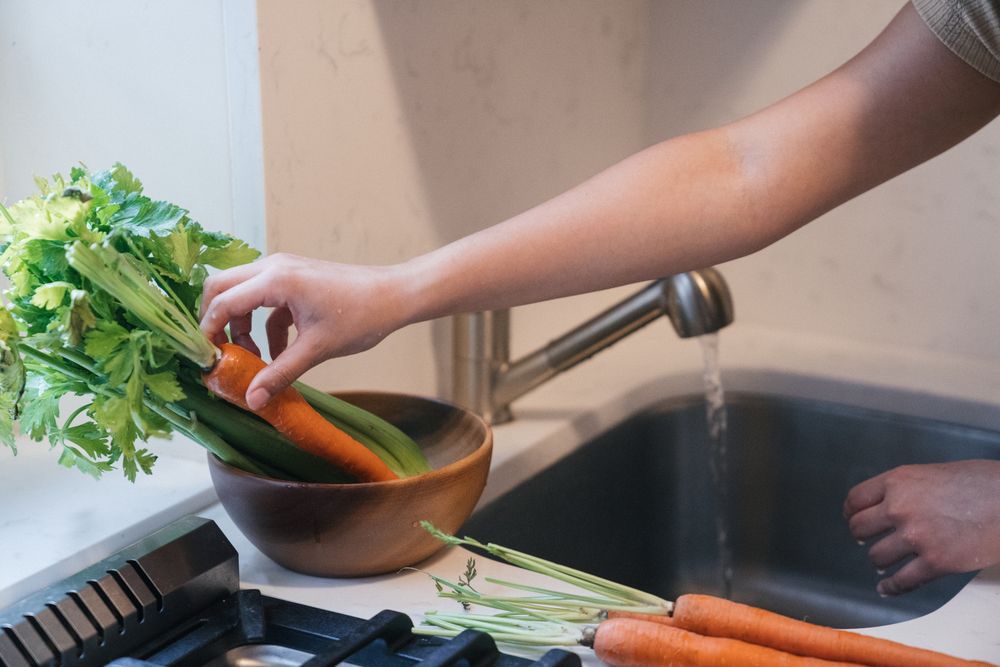
Chicken vegetable soup for weight loss: five cooking steps
Equipment: a large saucepan with a lid, chopping board, knife, stirring spoon and food thermometer. Cooking times are guides; use the chicken temperature and vegetable tenderness to judge readiness. These recipe quantities are editorial suggestions and have not been personally kitchen-tested for this article.
Step 1: Prepare the ingredients
Wash the vegetables, then chop them before handling the raw chicken. Use a separate board for poultry or thoroughly clean and sanitise equipment between tasks. Do not wash raw chicken: splashes can spread bacteria. Wash your hands after handling it.
Step 2: Soften the flavour base
Warm the oil over medium heat. Add onion, carrot and celery and stir for about 5–7 minutes, until the onion begins to soften. Add garlic and thyme and stir briefly, around 30 seconds. Lower the heat if the garlic starts to colour quickly.
Step 3: Add broth and chicken
Pour in the broth and bring it to a boil. Carefully add the chicken pieces, then return the liquid to a gentle simmer. Partially cover and cook for roughly 12–18 minutes, stirring occasionally. Avoid a hard rolling boil, which can make the chicken less tender.
Step 4: Add the quicker-cooking vegetables
Add courgette/zucchini and simmer for around 5 minutes, until tender. Stir in spinach until wilted. Check several of the largest chicken pieces: their centres must reach 74°C/165°F on a food thermometer. Continue cooking if needed; colour alone is not a reliable safety check.
Step 5: Taste and serve
Once the chicken is safely cooked, taste the broth. Add black pepper and optional lemon or parsley. Check before adding salt, since stock varies considerably. Divide chicken and vegetables evenly between bowls rather than serving mostly broth in one and most of the solids in another.
Ingredient swaps and texture tips
Keep the basic chicken vegetable soup for weight loss method simple before adding several variations. That makes it easier to identify which change affects flavour or cooking time.
- Frozen vegetables: use a plain mix and follow the packet's cooking instructions. Check the chicken separately with a thermometer.
- No courgette: try green beans cut into small pieces, allowing enough time for them to become tender.
- Too thick: add a little hot water or broth, bring the soup back to a simmer and taste again.
- Too thin: serve more of the vegetables and chicken in each bowl, or simmer briefly uncovered. Do not keep boiling cooked chicken simply to reduce a very large amount of liquid.
- Bland broth: try pepper, herbs or a small squeeze of lemon before automatically adding more salt.
- Adding rice or pasta: cook it separately and add to individual bowls so it does not absorb all the broth during storage.
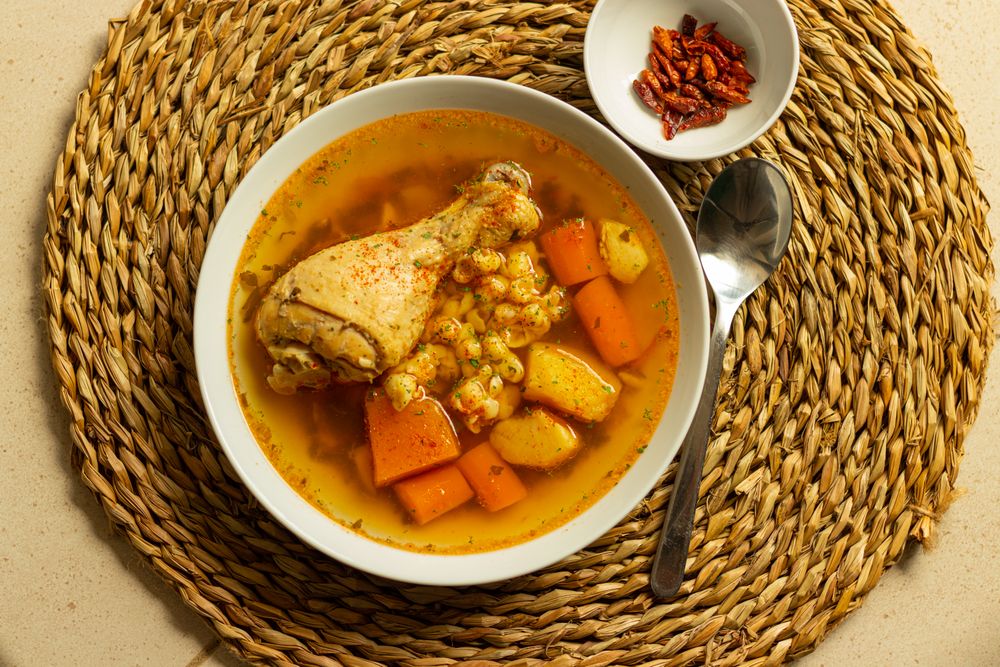
The photographs illustrate soup and ingredient ideas; they are not photographs of this recipe batch. The pictured potato-and-chicken variation uses different ingredients from the base recipe.
For other meal ideas, see our chicken meal-preparation guide, breakfast ideas and snack and portion guide.
Cool, store and reheat soup safely
Divide leftovers into shallow containers and refrigerate promptly rather than leaving the whole pot on the counter to cool completely. Refrigerate within two hours, or within one hour if the temperature is above 32°C/90°F. Keep the refrigerator at 4°C/40°F or below.
For properly handled cooked leftovers, USDA guidance gives a refrigerated storage window of 3–4 days. Freeze portions you will not use within that time, label the date and thaw in the refrigerator. If using previously cooked chicken, its earlier storage history still matters; adding it to soup does not make old chicken fresh again.
Reheat leftovers to 74°C/165°F. Bring reheated soup to a rolling boil and stir well so it heats evenly, including when using a microwave. Read the USDA leftovers guidance and chicken preparation guidance for the safety recommendations behind these steps.
Common questions
Does this soup burn belly fat?
No food selectively removes belly fat. This recipe can be one meal within a balanced eating pattern; it does not promise weight loss or treat a medical condition.
How many calories are in a bowl?
The amount depends on the broth, actual ingredient quantities, final yield and serving size. Use your ingredient labels and portion weights for a calculation. No unverified calorie or protein figure is provided here.
Can I leave out the chicken?
Yes, but that makes a different recipe. Use vegetable broth and consider an appropriate protein-containing addition. The cooking instructions above are written for chicken, not dried beans or another raw protein.
Is no-cream soup always suitable for weight loss?
No. Portion size, additions and your broader eating pattern matter. Choose meals you enjoy and can repeat, rather than relying on a single food or a restrictive soup-only diet.
Photo credits
Real photographs used under the Pexels licence: chicken soup, vegetable preparation and soup variation.