Test results · Gout symptoms · Individual treatment
High Uric Acid Symptoms and Treatment: A Practical Guide
Understanding high uric acid symptoms and treatment starts with an important distinction: an elevated blood result is not the same as a diagnosis of gout.
High uric acid may cause no symptoms. Joint pain and urinary symptoms need assessment rather than being blamed automatically on a laboratory result.

What does high uric acid mean?
Urate forms when the body breaks down purines, which occur in body tissues and foods. Levels can rise when the body produces more or removes less.
An elevated level is called hyperuricaemia. Many people with elevated urate do not develop gout. Gout involves urate crystals causing inflammation in and around joints.
NIAMS: Urate, hyperuricaemia and gout
Use the units and reference range on your laboratory report. A clinician should interpret the number alongside symptoms, kidney health, medicines and medical history.
High uric acid symptoms and treatment: separate the conditions
An elevated result without symptoms
You may learn about a raised level through a blood test. The result alone does not establish that you need the same treatment as someone with repeated gout attacks. Ask what follow-up is appropriate.
A possible gout flare
Gout can cause sudden severe pain, warmth and swelling, often in the big toe but also in other joints. Other conditions can resemble it, so seek assessment for a first episode.
Possible kidney stones
Stones may cause severe side or back pain, painful urination or blood in urine. Not every stone is made of uric acid. Assessment is needed to identify the cause.
Tiredness alone is not a reliable sign of high uric acid. Do not use vague symptoms or a separate “men versus women” checklist to diagnose yourself.
How clinicians assess gout
Assessment may include your symptom history, examination, blood tests and, when needed, joint-fluid testing or imaging. A raised urate result is one piece of information.
Tell the clinician which joint is affected, when the pain began, whether you have fever and whether similar episodes have occurred before.
Flare treatment and long-term treatment are different
Medicines used to reduce pain and inflammation during a flare differ from medicines used to lower urate over time. A clinician chooses treatment according to your diagnosis and circumstances.
Flare options can include anti-inflammatory medicines, colchicine or corticosteroids. These are not suitable for everyone, particularly when other conditions or interacting medicines are present.
Long-term treatment may reduce urate to help prevent future flares and other complications. Ask what target, monitoring and review schedule apply to you.
Do not start, stop or change prescribed treatment yourself. Being pain-free between attacks does not necessarily mean the long-term condition has resolved.
This article does not provide prescription doses or recommend a medicine for an individual reader.
Food choices can support a care plan
Diet is one part of management, not a guaranteed replacement for treatment. Ask for advice tailored to gout, kidney disease, diabetes or other conditions you have.
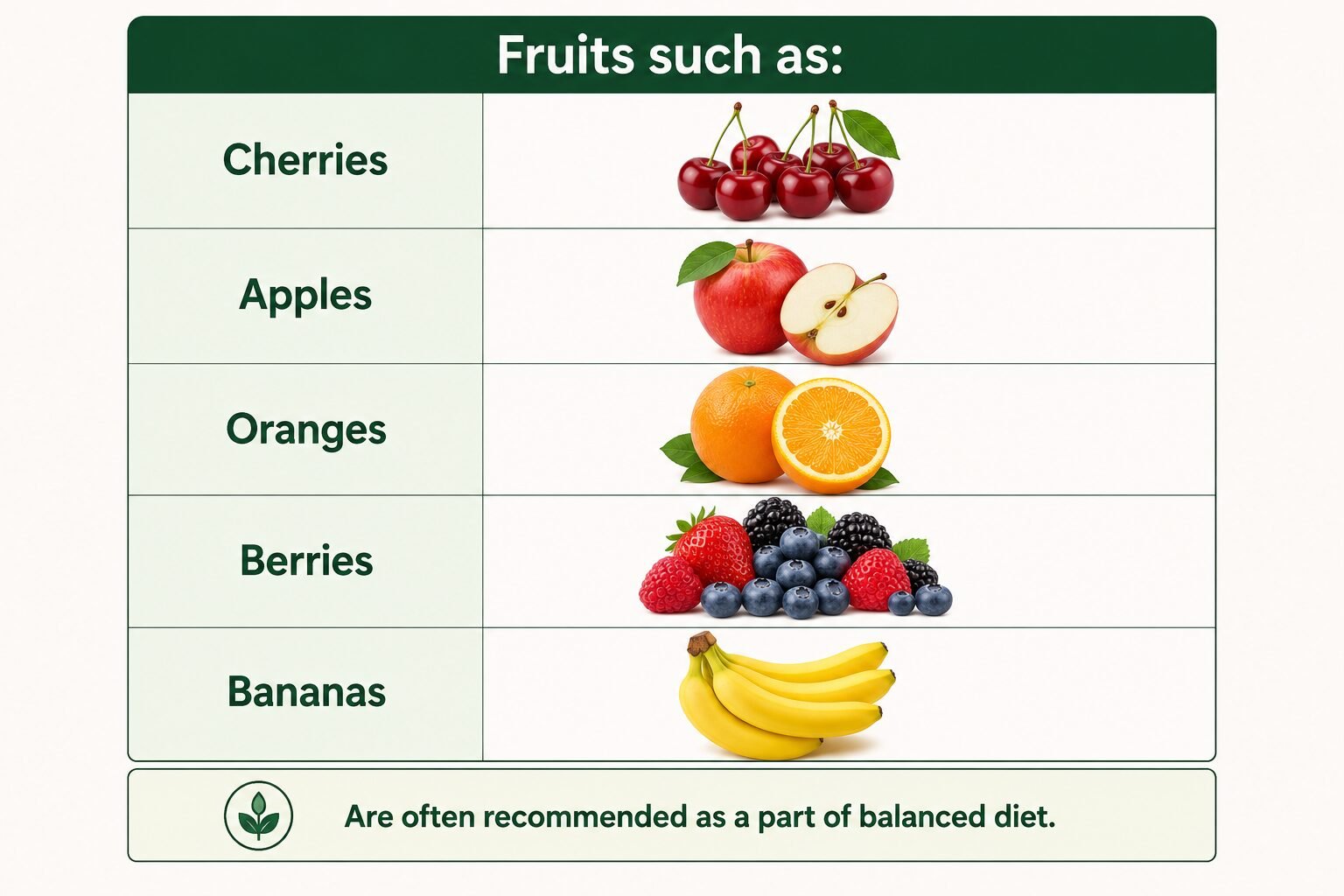
Choose a varied eating pattern and review frequent sugar-sweetened drinks and alcohol intake. No cherry, lemon drink or supplement is prescribed here as a treatment for an acute attack.
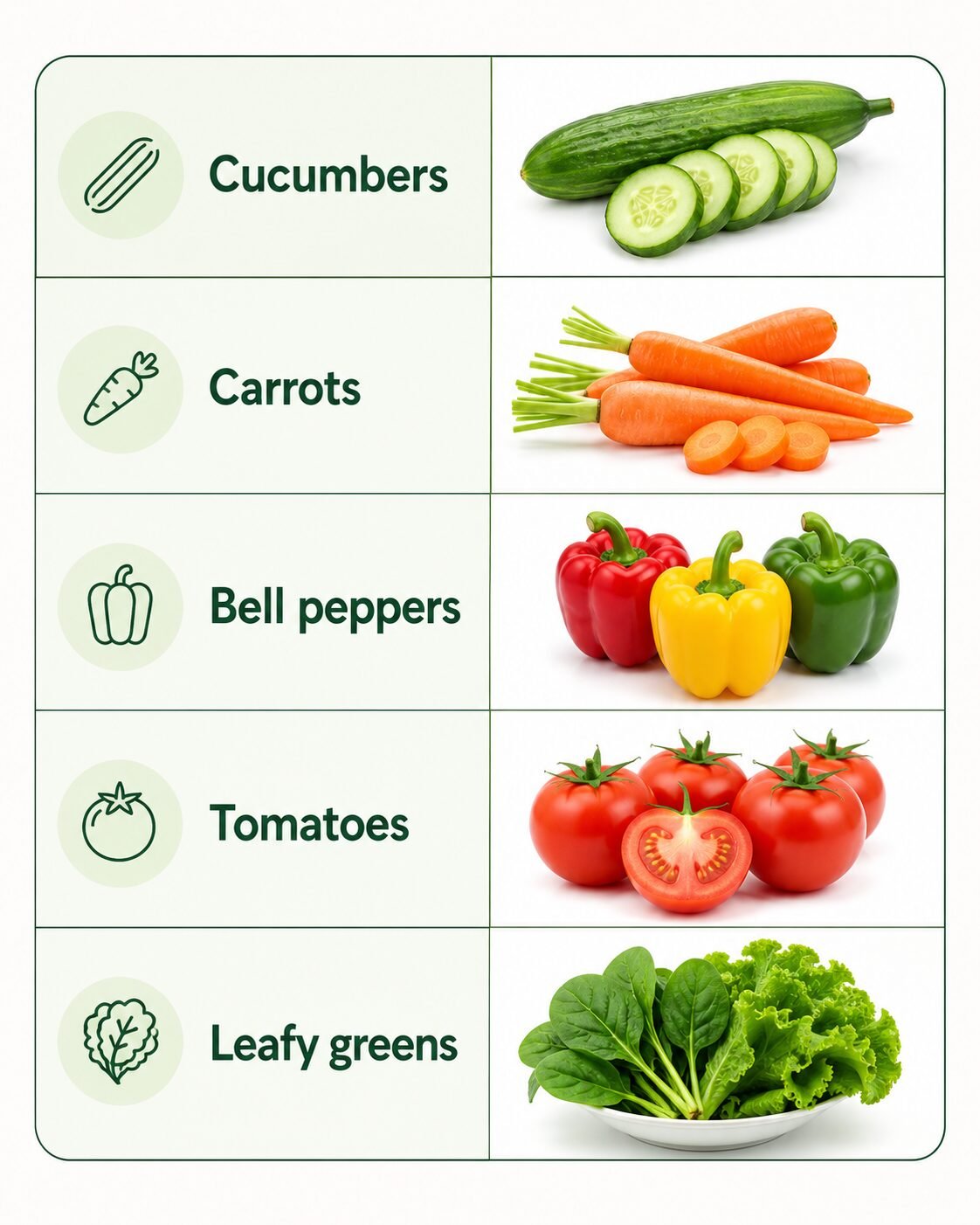
Do not create a long forbidden-food list from an online article. Discuss which foods and quantities are relevant to your diagnosis and usual meals.
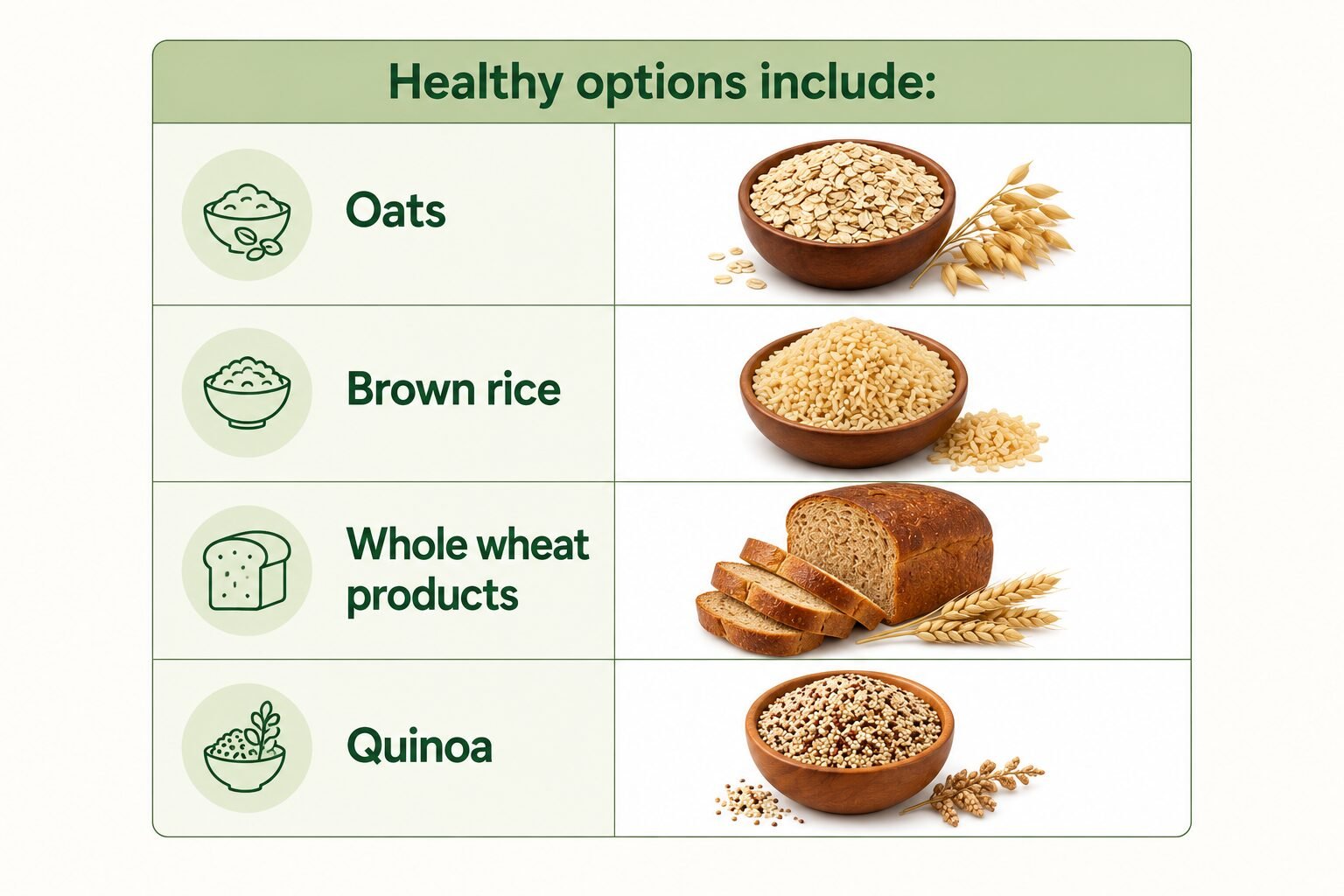
For general meal ideas, see our practical breakfast guide and snack and portion suggestions . Adapt them to your care plan.
Hydration, movement and medicines
Avoid dehydration, but do not force a fixed number of litres. Follow your clinician’s fluid advice if you have a restriction.
If weight management is appropriate, avoid crash diets. Choose activity suited to your abilities and avoid putting painful joints under unnecessary pressure.
Some medicines can affect urate levels. Bring your full medicine and supplement list to the appointment. Do not stop a diuretic, aspirin or another prescribed medicine without advice.
A food or lifestyle change should not delay assessment of a hot swollen joint or urinary warning signs.
Questions for your appointment
- Does this result indicate gout, or high urate without gout?
- Could another condition explain my symptoms?
- Do I need further tests or a repeat measurement?
- What should I do if another flare begins?
- Do I need long-term treatment and monitoring?
- Which dietary and fluid changes are suitable for me?
Bring the laboratory report, previous stone results if available, and a brief record of symptoms. Clear information is more useful than guessing a diagnosis.
High uric acid symptoms and treatment: common questions
Does high uric acid always cause symptoms?
No. Elevated urate can occur without symptoms, and many people with a raised level do not develop gout.
Which food lowers uric acid immediately?
This article does not establish any food as an immediate treatment. Do not delay medical care while trying a remedy.
Does everyone with a high result need medicine?
Not the same treatment. A clinician considers symptoms, diagnosis, previous attacks and other health factors.
Can I stop treatment when the pain disappears?
Do not change prescribed treatment yourself. Flare treatment and long-term urate management have different purposes.
Sources and editorial transparency
- NIAMS: Gout overview
- NIAMS: Diagnosis and treatment
- NHS: Gout and urgent signs
- NIDDK: Kidney stone symptoms
These sources have not reviewed or endorsed this article. I own Fast Slim Journey and check health information using medical websites. No professional clinical review or medical qualifications are claimed.
Read about the blog and our disclaimer.