Gentle handling · Simple routines · Informed choices
Hair and Nail Care: Practical Tips for Everyday Care
Start with gentle washing, less damaging styling and straightforward nail care. You do not need a shelf full of growth products to organise a useful routine.
This guide separates everyday care from problems that deserve a professional assessment. It also explains why supplements and homemade remedies should not be treated as guaranteed solutions.

Article contents
Start by describing what has changed
“My hair feels dry” and “I have a new patch of hair loss” are different concerns. Likewise, a chipped nail after cleaning is different from a persistent change in colour or shape. Do not assume they all have the same cause.
Before buying another product, note when the change began, which products or routines changed, and whether there are symptoms such as itching or pain. This can help you explain the concern at an appointment.
A photograph can help you describe a change, but it does not establish a diagnosis. Hair and nail appearance alone cannot tell you which vitamin, hormone or treatment you need.
Wash and condition for your hair type

There is no universal rule to wash hair two or three times weekly. The American Academy of Dermatology advises adjusting washing to how dirty or oily your hair becomes and choosing products for your hair type.
Apply shampoo mainly to the scalp. Use conditioner after washing, with placement suited to your hair. Detangle gently rather than pulling through knots.
Keep the routine manageable: choose products you tolerate, follow their directions and avoid changing several things at once.
Reduce avoidable styling damage
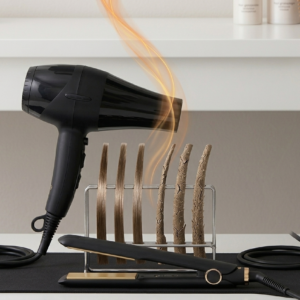
Excessive heat can damage hair. Limit hot-tool use, choose lower settings and use a heat-protection product according to its directions.
Handle wet hair gently and avoid vigorous towel rubbing. Work through tangles carefully rather than forcing a brush from the roots.
Plan styling around your week. For example, choose a simple style on a rushed morning instead of adding another hot-tool session.
Trimming can tidy damaged ends, but it is not a treatment for hair loss from the scalp. Ask a professional about persistent shedding rather than relying on a haircut or oil to solve it.
Keep nail care gentle and practical
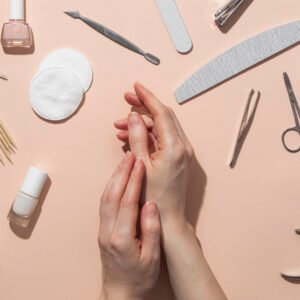
Keep nail-care tools clean and avoid picking or biting nails. Use a moisturising cream around nails, especially after polish removal.
Do not cut or forcefully push back cuticles. They help protect the area around the nail. Give damaged nails time away from artificial nail applications.
A manicure should not be painful. If a product or procedure causes discomfort, stop rather than assuming pain is part of the process.

A small home-care checklist
- Keep the tools you use together in a clean, dry place.
- Follow product instructions rather than layering several treatments.
- Avoid covering a painful or suspicious nail change with another manicure.
- Record persistent changes so you can discuss them at an appointment.
Separate nutrition from supplement promises
Make ordinary meals easier to arrange before buying “hair and nail” supplements. Eggs, beans, lentils, tofu, yogurt and fish are examples of foods you can include according to your preferences and dietary needs.
These are meal ideas, not prescriptions for regrowth. A specific deficiency needs an appropriate assessment; it cannot be confirmed by a blog checklist.
Biotin
The NIH Office of Dietary Supplements reports limited evidence for claims that biotin supplements improve hair, skin and nails. Biotin can also interfere with some laboratory tests. Tell your healthcare team about supplements you take.
Iron and other nutrients
Do not assume shedding means you need iron. The AAD advises assessment before taking supplements for hair loss. Too much of certain nutrients can be harmful.
For help organising everyday meals, explore our beginner habit guide . It is not a treatment for hair loss, and weight loss should not be assumed to improve hair or nail health.
What about oils and homemade remedies?
Using a cosmetic oil and treating hair loss are different decisions. This guide does not prescribe onion juice, castor oil, aloe gel or scalp massage as regrowth treatments.
“Natural” does not mean a product will suit everyone. Follow product instructions and stop anything that causes irritation. Avoid hot oils and forceful massage.
There is also no need to add lemon-and-honey mixtures to your nail routine. A straightforward moisturiser avoids turning food ingredients into an untested treatment plan.
Choose products for a clear purpose, such as conditioning or moisturising, rather than a promise of rapid growth. Seek individual advice when a problem persists.
Know when to ask for professional advice
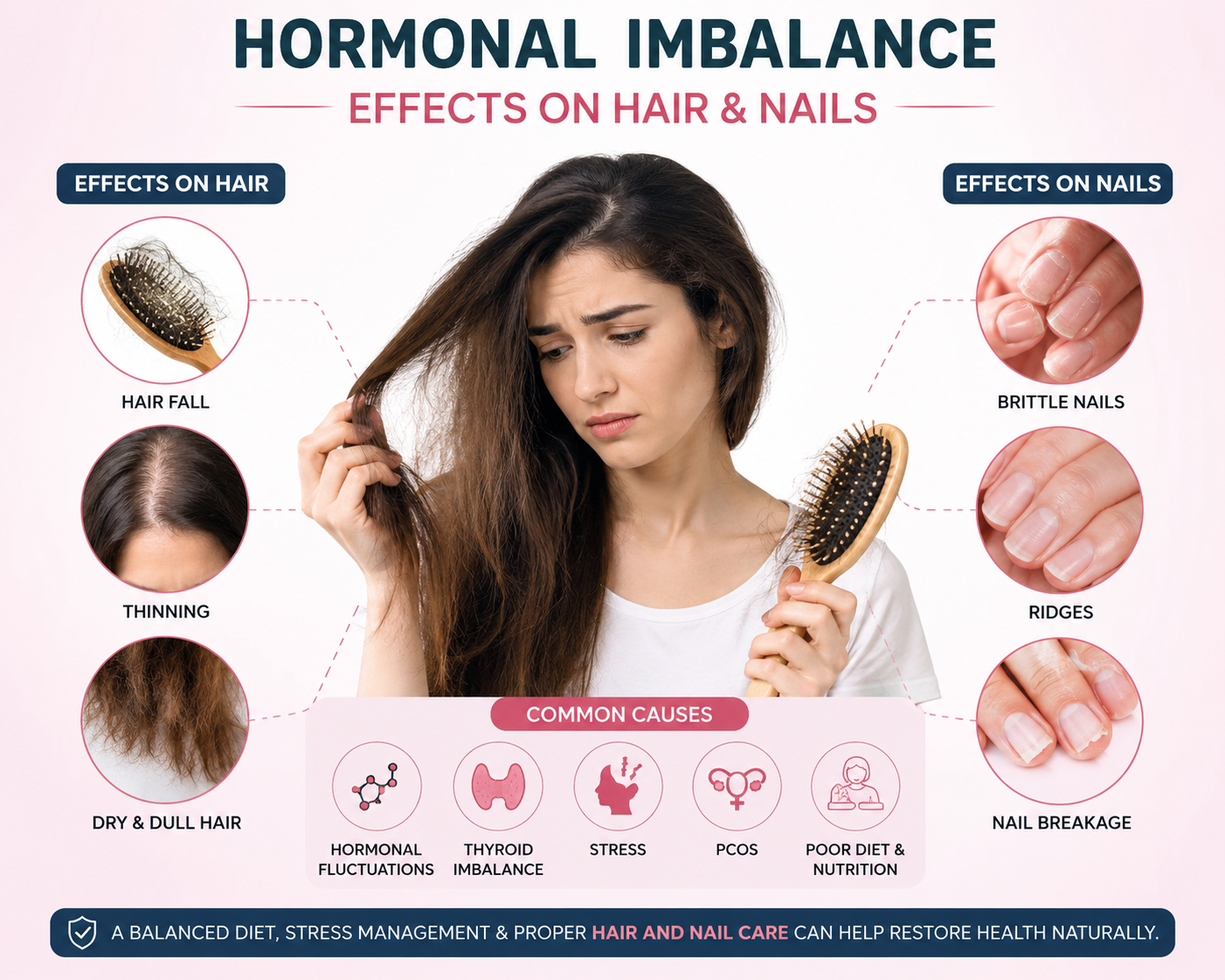
Arrange an assessment for sudden, patchy or persistent hair loss, a painful scalp, or an unexplained nail change. A clinician can consider your history, examine the affected area and decide whether tests or treatment are appropriate.
Do not use an image or an online symptom list to diagnose a hormone problem. If you already have a diagnosed condition, discuss new changes with your healthcare professional.
Seek prompt care for signs of a worsening infection, such as spreading redness, swelling, pus or fever.
For another everyday-care topic, read our summer skincare routine . Our articles provide general information, not personalised diagnosis or treatment.
Frequently asked questions
How often should I wash my hair?
Adjust washing to your hair type, scalp and how oily or dirty your hair becomes. There is no single weekly schedule suitable for everyone.
Will biotin make my hair grow?
It should not be treated as a guaranteed growth aid. Evidence for common beauty claims is limited. Discuss supplements with a healthcare professional, especially before laboratory testing.
Can a better routine fix all hair loss?
No. Gentle handling can reduce avoidable damage, but hair loss may require diagnosis and treatment. Persistent or sudden changes deserve assessment.
Should I cut my cuticles?
The AAD advises against cutting or forcefully pushing back cuticles because this can increase infection risk.
How soon will I see improvement?
This guide cannot promise a timeline. The outcome depends on the concern and its cause. Avoid products that promise universal or rapid results.
Sources and writing approach
Source links appear beside the relevant advice. The organising tips are editorial suggestions, not a clinically tested growth programme.
I write from personal experience and check health information using medical websites. This article has not been personally reviewed by a medical professional. Learn more on the About page and read our Disclaimer.