
Gentle skincare · Clear expectations · Informed choices
DIY Face Masks for Bright Skin: Safety and Better Choices
DIY face masks for bright skin can look inexpensive and appealing. But a familiar kitchen ingredient is not automatically suitable for your face, and a homemade mixture is not a proven shortcut to treating pigmentation.
Here, “bright skin” means a fresh-looking appearance, not changing your natural skin colour. This guide helps you evaluate recipes, choose optional products sensibly and keep your everyday routine manageable.
Article contents
Do DIY face masks for bright skin work?
Evidence about a formulated cosmetic does not automatically apply to a kitchen mixture. Concentration, preparation and contact time can differ.
The American Academy of Dermatology explains that formulated masks can help some concerns, including hydration, depending on ingredients. They remain optional and do not replace treatment for conditions such as acne or eczema.
Read the AAD guide to facial masks .
A personal testimonial or attractive photograph cannot establish that a recipe reliably treats your skin concern. Ask what was actually tested before accepting a claim.
Leave out irritating ingredients and dramatic promises
Citrus mixtures
This guide does not recommend lemon or lime masks. Citrus on skin followed by sunlight can cause an inflammatory reaction. A small home test does not rule out that sunlight-related reaction.
Rough kitchen scrubs
This guide does not recommend rubbing coffee grounds or coarse powders onto your face. A harsh sensation is not proof that a treatment is working.
Guaranteed tan removal
Do not treat potato, tomato or milk recipes as established treatments for pigmentation or sun damage. Persistent changes deserve appropriate assessment.
Known allergens
Avoid an ingredient you know you react to. “Natural” does not override an allergy or demonstrate suitability.
Learn more about citrus reactions from the American Academy of Dermatology .
Consider alternatives to DIY face masks for bright skin
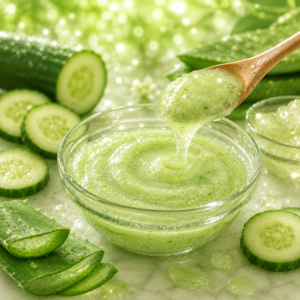
Start by naming your concern: uncomfortable dryness, frequent breakouts or a persistent mark. These do not all call for the same product.
If you choose a formulated mask, read its intended use, ingredients and contact time. Avoid duplicating exfoliating ingredients already in your routine. Wash it off if it causes burning, stinging or itching.
A practical shopping checklist
- Purpose: what specific concern are you addressing?
- Directions: are contact time and frequency clear?
- Ingredients: are there known allergens or duplicated actives?
- Storage: are expiry and handling instructions available?
- Cost: does it fit your budget without replacing essentials?
If your existing routine feels comfortable, a mask is not a compulsory purchase. You can keep skincare simple.
Test a new skincare product before facial use
The AAD recommends testing a product on a small area, such as the underside of the arm, twice daily for seven to ten days. For rinse-off products, follow the instructed contact time.
Wash off and stop using a product if a reaction develops. A home test does not guarantee future tolerance and is different from medical patch testing.
Follow the complete AAD product-testing guidance . Do not use this advice to justify the citrus recipes excluded above.
Introduce one change at a time. Note the product name, when you began and any discomfort so you can explain a reaction more clearly if you need advice.
Keep everyday care as your starting point
Use a gentle cleanser, a suitable moisturiser and appropriate sun protection. Follow prescribed treatment instructions. An optional mask should not replace these everyday steps.
For practical cleansing and sunscreen guidance, read our summer skincare routine .

One-change planning example
- List your existing products and their purpose.
- Keep products you tolerate while assessing an optional addition.
- Test the new product according to appropriate guidance.
- Follow its label rather than increasing frequency for faster results.
- Stop and seek advice if a reaction persists or is severe.
Seek professional assessment for a persistent rash, troublesome acne or a changing skin mark. Breathing difficulty or swelling of the mouth or throat requires emergency care.
For related reading, explore our under-eye care guide and makeup tips for acne-prone skin .
DIY face masks for bright skin: common questions
Is a homemade mask safer because it is natural?
Not automatically. Ingredient familiarity does not establish safety, effectiveness or suitability for your skin.
Can a mask permanently remove a tan?
This guide does not promise permanent tan removal or a change in natural skin colour.
Should I use a mask every day?
There is no universal schedule. For a formulated product, follow its directions and individual advice. A mask remains optional.
Do I need expensive products?
Price alone does not establish suitability. Choose products for a clear purpose and a routine you can afford to maintain.
What should I do if a mask burns?
Wash it off and stop using it. Do not assume burning means it is working. Seek advice for a severe or persistent reaction.
Sources and writing approach
These sources have not reviewed or endorsed this article. The planning examples are editorial suggestions, not a clinically tested skincare programme.
I own this blog and check health information using medical websites. This article has not been personally reviewed by a dermatologist. Learn more on the About page and read our Disclaimer.