Simple ingredients · Fruit flavours · Sensible portions
7 Healthy Smoothie Recipes Without Added Sweeteners
These healthy smoothie recipes offer seven fruit combinations using everyday ingredients. Choose a flavour you enjoy and measure a small serving rather than following a daily smoothie schedule.
Smoothies can fit within a varied diet. They do not guarantee glowing skin, treat digestive problems or replace medical care.
Preparing these healthy smoothie recipes
The quantities are starting suggestions, not personally kitchen-tested recipes with verified yields or nutrition values. Fruit size, ripeness and ingredient brands affect the result.
- Wash your hands and use a clean blender and utensils.
- Rinse fresh produce under running water before cutting; do not use soap.
- Remove cores, stones and inedible rind.
- Use pasteurised dairy products and check allergen labels.
- Add liquid gradually, blend and measure the finished portion.
Follow preparation instructions for frozen fruit; some products require heating. Keep perishable ingredients chilled and follow their storage guidance. See FDA produce-safety advice .
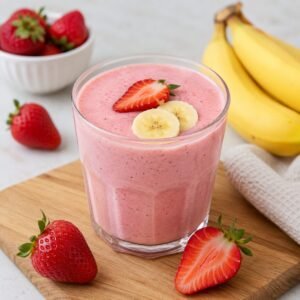
1. Strawberry and banana smoothie
Starting ingredients: half a small banana, three strawberries, two tablespoons plain yogurt and a little milk or a suitable unsweetened alternative.
Blend the fruit with the yogurt, then add liquid gradually. Ripe banana provides sweetness without needing honey. Use less banana if you prefer a stronger strawberry flavour.
When adapting healthy smoothie recipes, check plant-drink labels: protein, added sugar and fortification differ between products.
2. Mango and yogurt smoothie
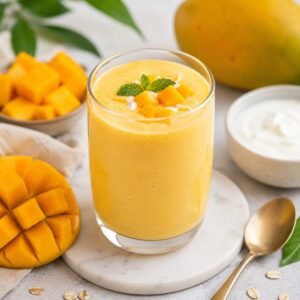
Starting ingredients: a quarter cup chopped ripe mango, two tablespoons plain yogurt and a little water or milk.
Blend until smooth. Add only enough liquid for the consistency you want. A little ground cardamom can provide an optional flavour.
A plain plant-based yogurt may suit your preferences, but its nutrition may differ from dairy yogurt.
3. Green apple, cucumber and mint
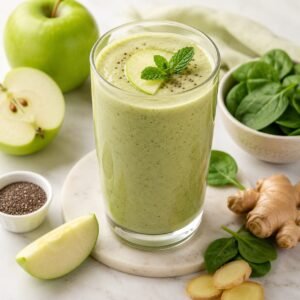
Starting ingredients: a quarter of a cored green apple, a few cucumber slices, a few mint leaves and water.
Chop into pieces your blender can handle. Blend with a small amount of water. Apple peel can give the drink a textured finish.
There is no established need to drink this on an empty stomach or wait before eating. It is not a gut-health treatment.
4. Papaya and plain yogurt
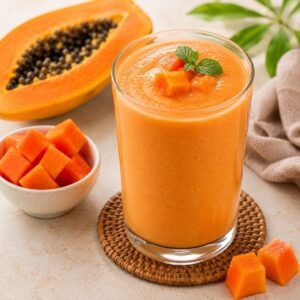
Starting ingredients: a quarter cup ripe, peeled and deseeded papaya, two tablespoons plain yogurt and a little water.
Blend until creamy. Taste before adding optional lemon juice. Leave out acidic additions if they bother you.
This drink is a food suggestion, not a remedy for constipation, bloating or skin conditions.
5. Watermelon and mint smoothie
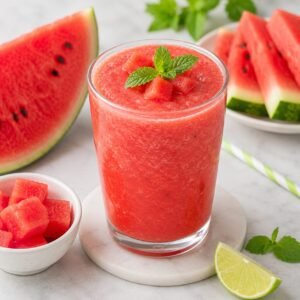
Starting ingredients: half a cup watermelon flesh, hard seeds removed, and a few mint leaves.
Blend briefly. Watermelon already contains liquid, so additional water may not be necessary. Measure the finished serving.
Add a small squeeze of lime if you enjoy a sharper flavour. Use water as your usual hydration drink rather than relying on repeated fruit drinks.
6. Blueberry and oat smoothie
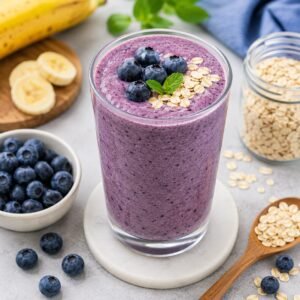
Starting ingredients: a quarter cup blueberries, one tablespoon oats suitable for eating without cooking, two tablespoons plain yogurt and a little milk.
Follow the oat packet instructions. Blend, adding liquid gradually. Oats can thicken the mixture.
Use certified gluten-free oats if required. This small drink is not automatically a nutritionally complete breakfast.
7. Pineapple and coconut smoothie
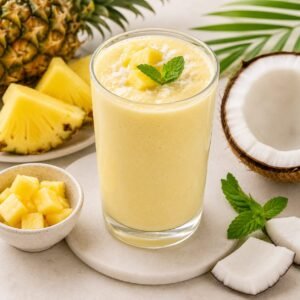
Starting ingredients: a quarter cup pineapple, two tablespoons plain yogurt and a little coconut water without added sweetener.
Blend until smooth. Coconut water and coconut milk are different ingredients and change the texture and nutritional composition.
Use water for a less sweet drink. Check ingredient tolerance and allergies before making substitutions.
Fit smoothies into your usual meals
Choose one of these healthy smoothie recipes rather than drinking several smoothies daily. Whole fruit is another option and requires no blender. Consider your meals across the day rather than treating one drink as the key to healthy skin.
If you manage diabetes, follow a fluid restriction or have prescribed dietary requirements, ask your healthcare team how fruit drinks fit your plan.
Explore our practical breakfast ideas , morning drink guide and coconut snack recipe guide .
Healthy smoothie recipes: common questions
Will these smoothies make my skin glow?
These recipes have not been shown to produce a specific skin-brightening effect. They do not replace skincare or treatment for persistent skin concerns.
Are they sugar-free?
No. Fruit and dairy ingredients contain sugars even when you add no sweeteners. Check packaged ingredients too.
When should I drink a smoothie?
There is no special timing established for these recipes. NHS guidance recommends having juice and smoothies with meals to help reduce the risk of tooth decay.
Is the entire batch one serving?
Not necessarily. Measure the finished volume. The NHS recommends a combined daily maximum of 150 ml for juice and smoothies.
Are nutrition values provided?
No verified figures are provided for these healthy smoothie recipes. Calculations require measured ingredients, product information and a defined serving size.
Sources and editorial transparency
These organisations have not tested or endorsed these recipes. The combinations are editorial suggestions, not clinically tested treatments.
I own Fast Slim Journey and write from personal experience, checking health information using medical websites. Read about the blog and our disclaimer.