Flexible meals · Manageable movement · Individual support
PCOS Weight Loss Plan: Practical Meals, Movement and Support
A PCOS weight loss plan should begin with your health needs and everyday circumstances. It should not leave you afraid of familiar foods or chasing a promise to “reset” your hormones.
This guide offers meal-planning examples, a gentle starter week and questions for your healthcare team. It does not prescribe calories or guarantee weight loss.
Article contents
Understand the condition before choosing a plan
PCOS is a hormonal and metabolic condition that can affect periods, ovulation, skin and hair. Insulin resistance and other health concerns can also occur. Symptoms differ, and an online checklist cannot establish a diagnosis.
The World Health Organization explains that management may include lifestyle changes, medicines and fertility treatment. A meal plan is not a cure or a replacement for medical care.
Why you may also see the name PMOS
Current Monash University and NHS resources use “polyendocrine metabolic ovarian syndrome,” or PMOS, as the newer name. This article retains PCOS so readers familiar with that term can find it. Ask your clinician if different terminology appears in your care.
For evidence-based information and patient resources, visit Monash University’s guideline page .
Build your PCOS weight loss plan around everyday meals

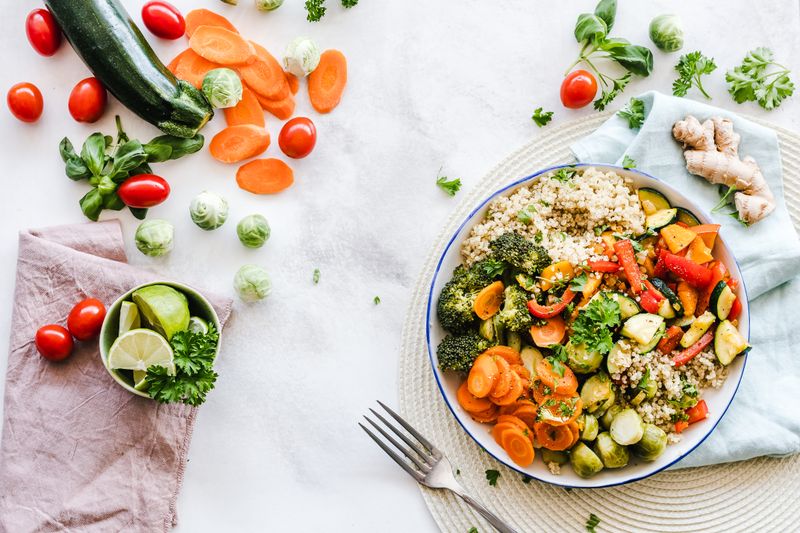
Start with foods you can obtain, afford and prepare. The examples below are meal combinations, not prescribed portions or instructions to remove entire food groups. Adapt them for allergies and individual dietary advice.
Breakfast
Eggs with toast and tomato, oats with plain yogurt and fruit, or leftover lentils with chapati. Keep two convenient options available.
Lunch
Combine rice, bread or chapati with beans, lentils, tofu, fish or chicken and vegetables. Leftovers can reduce lunchtime preparation.
Dinner
Try bean stew with toast, chicken with rice and vegetables, or tofu with noodles. Keep an easy backup for late evenings.
Optional snacks
Fruit with plain yogurt, nuts if tolerated, or hummus with vegetables are examples. Snack needs depend on your routine and individual circumstances.
Your PCOS weight loss plan should fit your culture, budget and schedule. Use familiar recipes instead of buying specialist products because they promise “hormone balance.”
For general preparation ideas, explore our beginner habit guide and refreshing drink ideas . Neither is a PCOS treatment.
Two meal examples to make planning easier
These are cooking suggestions, not clinically tested recipes or a prescribed meal plan. Adjust servings and accompaniments to your needs.
Lentil and vegetable bowl
Use cooked lentils, mixed vegetables, a little cooking oil and a seasoning you enjoy. Serve with rice, bread or chapati as appropriate for your meal.
- Cook the vegetables, following package directions if frozen.
- Add cooked lentils and your chosen seasoning.
- Heat through and serve with your preferred accompaniment.
Beans can replace lentils. A familiar seasoning is more useful than an expensive ingredient you will use once.
Yogurt, oats and fruit
Combine plain yogurt with oats and chopped fruit. Add nuts or seeds only if tolerated. Choose a suitable alternative for allergies or dietary preferences; alternatives vary in nutritional content.
Prepare ingredients in advance if mornings are rushed, and follow appropriate refrigeration and storage instructions.
A short shopping checklist
- Two protein foods you regularly use.
- One or two staple foods, such as oats, rice or bread.
- Vegetables and fruit that fit your budget.
- Ingredients for one low-preparation backup meal.
Include manageable movement in your PCOS weight loss plan

Choose a starting level appropriate for your health and ability. This example week is a planning aid, not a full exercise programme or a promise of symptom improvement. Shorten or adapt it when needed.
| Day | Optional activity | Practical adjustment |
|---|---|---|
| Monday | Comfortable 5–10-minute walk | Choose an accessible route. |
| Tuesday | Gentle strength practice if suitable | Use stable support and controlled movements. |
| Wednesday | Repeat the comfortable walk | Split it into shorter sessions if helpful. |
| Thursday | Rest or easy everyday movement | Allow recovery without compensating. |
| Friday | Repeat suitable strength practice | Increase only when appropriate. |
| Saturday | An enjoyable, suitable activity | Plan around weather, transport and ability. |
| Sunday | Rest and review | Keep what worked and simplify what did not. |
If appropriate for you, gentle practice might include a few chair sit-to-stands and wall push-ups. This does not train every muscle group or replace an individually adapted programme.
Stop for pain, dizziness or unusual breathlessness. Seek urgent help for concerning symptoms such as chest pain. Ask for professional guidance if illness, injuries or other conditions affect activity.
Track what helps rather than chasing a deadline

Review your PCOS weight loss plan when it stops fitting your life. Note whether you prepared meals more easily, found an accessible activity or made time for appointments.
- Which meal was easiest to repeat?
- What interrupted movement or preparation?
- Did a food rule create unnecessary worry?
- What would make next week more manageable?
Ask your clinician which medical outcomes need monitoring. If weighing yourself increases distress or restrictive eating, discuss a different approach.
Tell your healthcare team if sleep, mood, eating concerns or body image are affecting daily life. Support should be part of care, not something you have to earn.
Prepare questions for your healthcare team
The NHS condition guide explains available care. Your needs may involve several goals beyond body weight.
- Is weight loss an appropriate goal for me?
- Which symptoms or health measures need monitoring?
- What should I do about irregular or absent periods?
- Could a registered dietitian help adapt my meals?
- Do my medicines affect meal timing or activity planning?
- How does pregnancy planning affect my treatment?
- What support is available for eating or mood concerns?
Bring your questions and a list of medicines and supplements. You do not need a perfect food diary before seeking help. Do not start, stop or change treatment based on this article.
PCOS weight loss plan: frequently asked questions
Does everyone with PCOS need to lose weight?
Do not assume that. Choose goals with your healthcare team according to your circumstances, rather than applying the same target to every reader.
Can I keep rice, chapati or bread?
The example meals include these foods. Suitable portions and any changes needed for blood-glucose management should be individualised.
Can diet cure PCOS?
WHO describes PCOS as a chronic condition without a current cure. Management can involve several approaches; this article is not a treatment plan.
Should I buy a hormone-balancing supplement?
Discuss the specific product with your healthcare team. Marketing language is not proof of effectiveness or suitability, and supplements should not replace treatment.
When should I expect weight loss?
This guide cannot predict a result or timeline. It does not prescribe an individual calorie target. Review your goals and progress with your healthcare team.
Sources and writing approach
- Monash University: International guideline and resources
- WHO: Polycystic ovary syndrome
- NHS: PMOS condition guide
These organisations have not reviewed or endorsed this article. The meals and activity week are editorial examples, not a clinically tested programme.
I own this blog and check health information using medical websites. This article does not describe a personal PCOS treatment experience and has not been reviewed by a medical professional.
Learn more on the About page and read our Disclaimer.